


Transitional interior design gracefully merges the timeless elegance of traditional style with the clean lines and modern sensibility of contemporary design. It creates a balanced and sophisticated aesthetic by thoughtfully combining familiar classic elements with updated textures, materials, and silhouettes.
Selecting the right flooring is crucial in transitional design. The perfect transitional style flooring creates a foundation that unites these very different styles, enhancing the overall harmony of the space. City Tile and Floor Covering Company offers a diverse range of versatile transitional style flooring materials, from classic hardwood and elegant stone to modern tiles and innovative composites, providing the perfect way to seamlessly bridge the gap between traditional and contemporary elements in your design.
The Essence of Transitional Flooring: Best of Both Worlds
Transitional design is characterized by its sophisticated yet comfortable approach which blends traditional and contemporary styles. The color palette typically leans towards neutral tones such as creams, grays, taupes, and soft whites, creating a serene and versatile backdrop.
Transitional decor is carefully balanced, avoiding excessive ornamentation while incorporating select traditional elements with cleaner, more streamlined contemporary pieces. Furniture often features classic silhouettes in updated fabrics and finishes, emphasizing both comfort and elegance. The overall goal is to achieve a timeless and inviting space that feels both familiar and fresh, blending the best aspects of old and new for a sophisticated and livable environment.
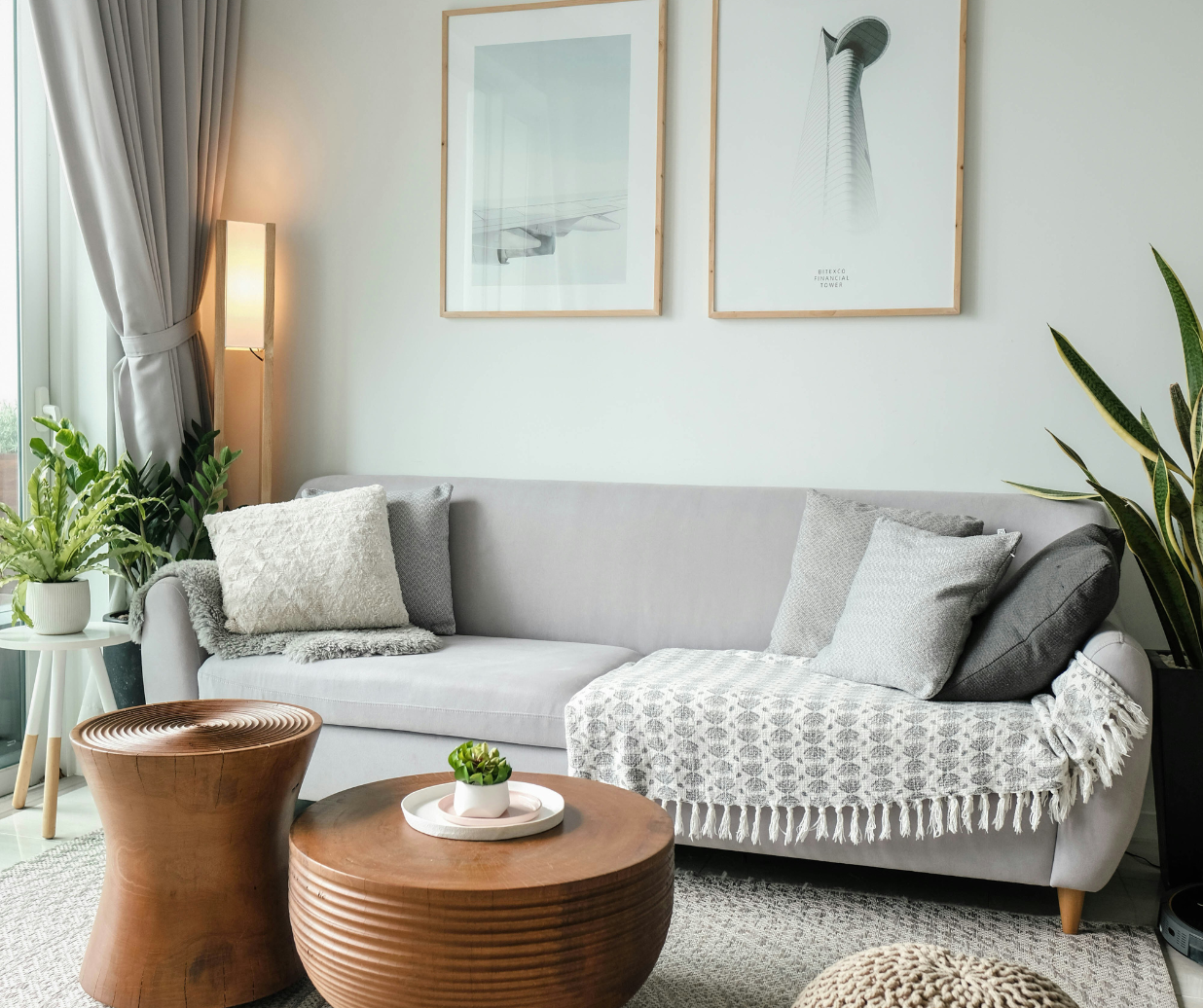
Timeless Flooring Options for a Transitional Look
If you’re searching for timeless flooring options, natural wood finishes stand out as an enduring choice. Species like oak, maple, or walnut in medium tones offer warmth and classic appeal that complements both traditional and contemporary furnishings. Consider wider planks and matte or satin finishes for a more updated feel, steering clear of overly glossy or heavily distressed styles that might lean too strongly in one direction. Engineered hardwood provides similar aesthetics with added stability in areas where moisture and temperature may fluctuate, such as basements.
Versatile stone and tile options also serve as excellent foundations in transitional design. Natural stones like travertine, limestone, or slate in neutral hues offer an organic elegance that bridges styles. Large format tiles in subtle patterns or solid colors, such as warm grays or soft beiges, provide a clean and modern backdrop while still feeling sophisticated. The key is to select materials with understated textures and colors that won't overpower the balanced decor of a transitional space, allowing both classic and contemporary elements to shine.

Hardwood Flooring: A Cornerstone in Transitional Aesthetics
Hardwood flooring possesses a timeless allure that seamlessly integrates into transitional design, offering a foundation of natural beauty and enduring quality. Its inherent warmth and rich textures introduce an element of classic elegance, while the clean lines and varying plank widths available in modern manufacturing allow it to feel contemporary. The natural grain patterns and diverse wood species provide a spectrum of tones that can effortlessly complement a neutral transitional palette, adding depth and character without overpowering the balanced aesthetic.
The effectiveness of hardwood in creating a warm and welcoming transitional space lies in its ability to bridge the gap between old and new. As an organic material, it feels familiar and comforting in a traditional way. Yet the broad array of finishes available and diverse options for installation means hardwood flooring can work well with more streamlined, contemporary elements as well. The inherent durability of hardwood also speaks to a sense of lasting quality, a hallmark of well-designed transitional interiors. As a flooring choice, hardwood provides a unifying element that makes a transitional home feel both elegant and inviting.
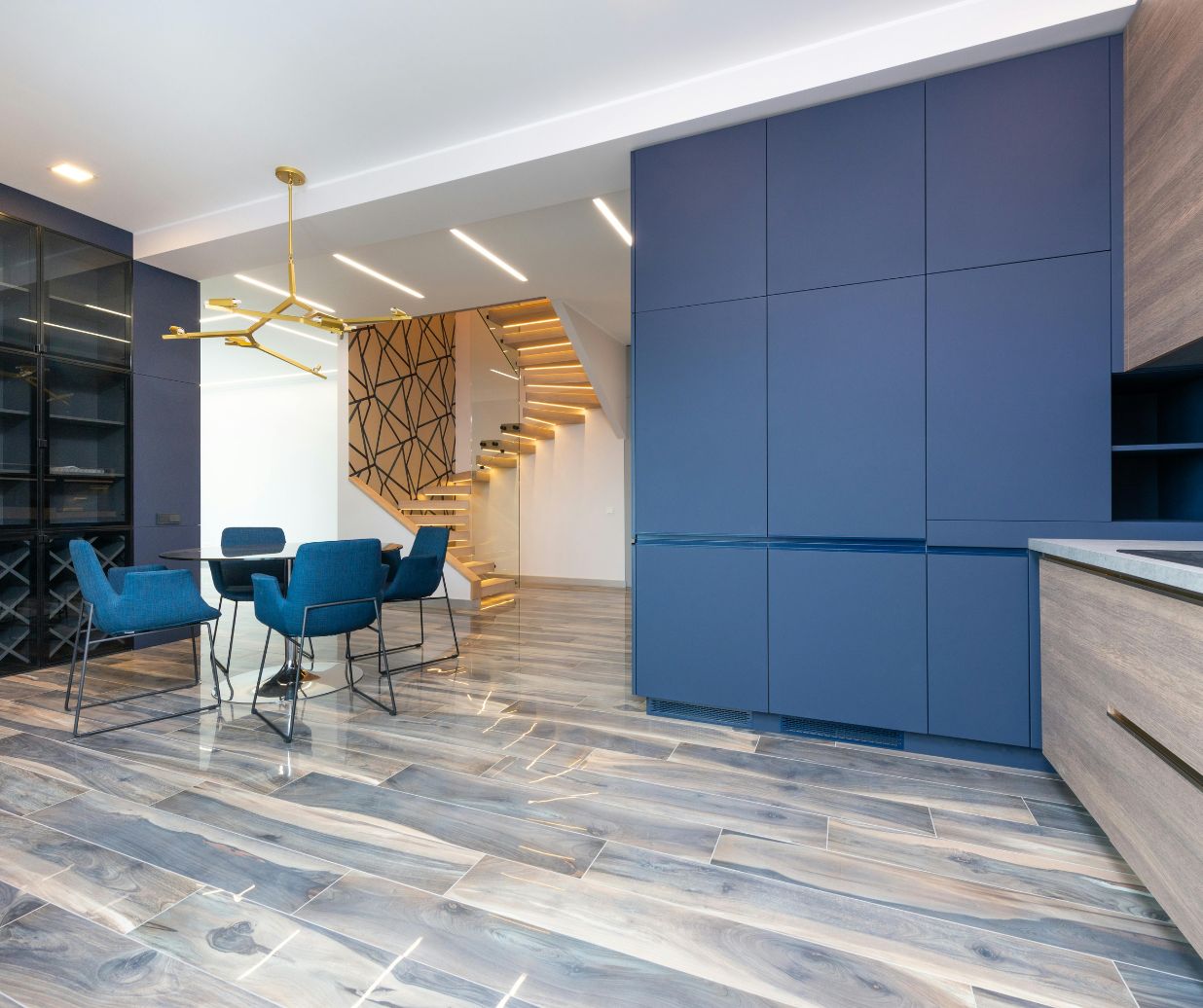
Creative Tile and Wood Combinations
Tastefully combining tile and wood flooring in transitional homes offers an elegant yet practical solution for defining spaces and adding visual interest. Consider using tile in high-traffic areas or rooms exposed to moisture, such as entryways, kitchens, and bathrooms, while reserving hardwood for living areas, dining rooms, and bedrooms to create warmth and continuity. A seamless transition between the two materials is key; opt for a straight, clean edge where they meet, using a subtle transition strip in a complementary metal or wood tone.
In open-concept layouts, strategically using different flooring materials can subtly delineate zones without disrupting the flow. For instance, a tiled kitchen area can visually separate it from a hardwood-floored living or dining space while maintaining an open and airy feel. Choose tile and wood tones that complement each other within the neutral transitional palette.
Consider wood-look tiles that mimic the texture and color of your chosen hardwood for a cohesive look in areas where tile is more practical. Alternatively, select natural stone tiles in shades that harmonize with the wood tones, creating a sophisticated and grounded aesthetic. The key is to ensure a deliberate and thoughtful approach to the material change, choosing materials that work well for the spaces they are used in and look great together.
Neutral Flooring: A Canvas for Personal Style
Neutral flooring choices are an excellent choice in transitional interiors because they provide a versatile and understated base that allows the nuanced details of both traditional and modern design elements to shine. By opting for colors like soft grays, warm beiges, creamy whites, or natural wood tones, the flooring recedes visually, preventing it from competing with more prominent features such as furniture, artwork, and architectural details.
This neutral backdrop effectively highlights the classic silhouettes of traditional pieces and the clean lines of modern accents, fostering the balanced harmony that defines transitional style. It allows for flexibility in layering textures and patterns through rugs and accessories without creating a cluttered or overwhelming feel, ultimately ensuring that the carefully curated blend of old and new takes center stage.
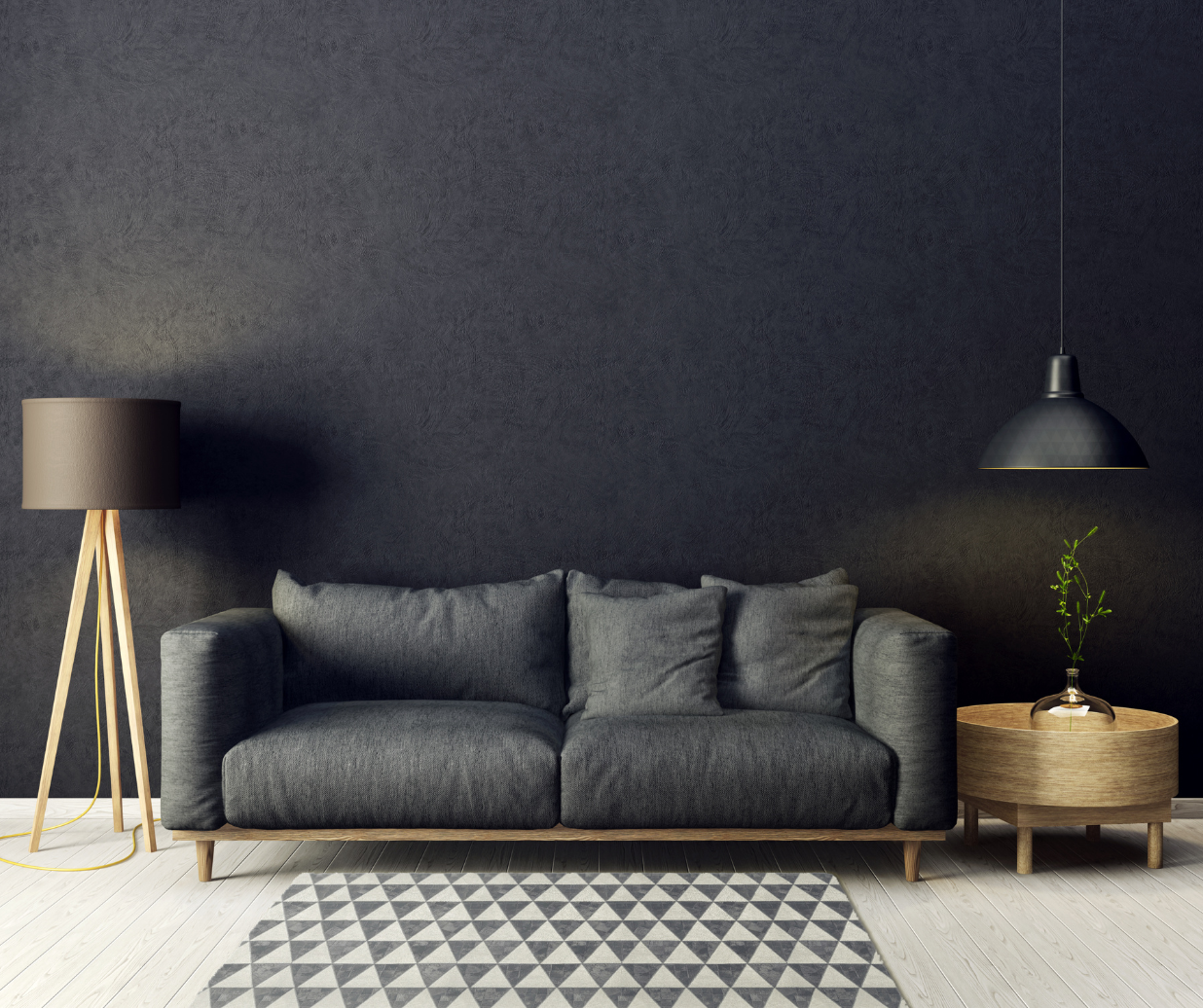
Durable and Low-Maintenance: Flooring Built to Last
Of course, the durability and ease of maintenance of your flooring choices are important considerations. Transitional homes aim for a timeless appeal, so the flooring you choose should stand the test of time as well. Durable materials like hardwood with a protective finish, resilient engineered wood, or robust tiles will ensure your transitional flooring can handle foot traffic and potential spills while looking great for many years to come.
Similarly, if your floor takes a lot of time and effort to maintain, it simply isn’t practical and you probably won’t be able to live with it for years and years. Choosing low maintenance flooring is crucial for sustaining the elegant yet comfortable ambiance that is the hallmark of transitional design.
FAQs about Transitional-Style Flooring
What characteristics define transitional style flooring?
Transitional style flooring typically features neutral tones, classic materials like wood and stone (or their durable alternatives), and clean lines without excessive ornamentation. The best flooring for transitional design provides a versatile foundation that complements both traditional and contemporary elements. It aims for a balanced and timeless aesthetic, avoiding extremes in either design direction.
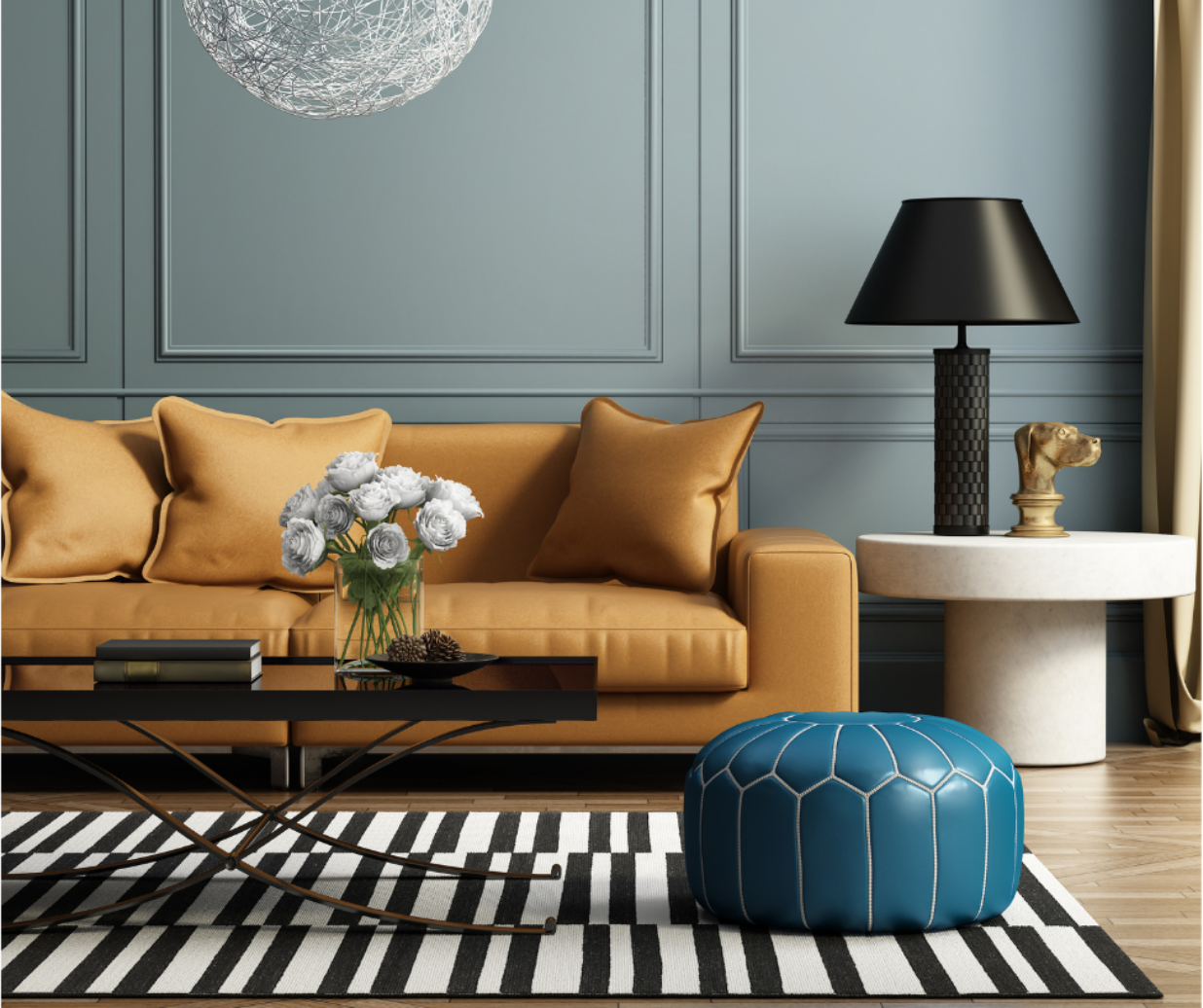
What are the best flooring materials for transitional homes?
The best flooring for transitional homes often include timeless options like natural hardwood with a matte or satin finish, versatile stone or neutral-toned tiles (including wood-look tiles), and durable, low-sheen engineered hardwood, all chosen in neutral colors to bridge traditional warmth and modern simplicity.
How do I blend traditional and contemporary styles with my flooring choice?
Blend traditional and contemporary styles with flooring by selecting neutral tones and classic materials like wood or stone in updated finishes (e.g., matte hardwood, large format tiles) or by pairing traditional flooring patterns (like herringbone) with more modern furniture and decor, or vice versa. The key is to choose a flooring that doesn't lean too heavily towards either extreme, providing a balanced foundation for both aesthetics to coexist.
Transform Your Space with City Tile's Transitional Flooring Solutions
Ready to lay the perfect foundation for your transitional home? City Tile's flooring experts are here to guide you in selecting materials that beautifully blend traditional elegance with modern sophistication. Explore our timeless flooring options online or schedule a design consultation today and let us help you define your unique transitional style from the ground up!


