

Fall in Middle Tennessee brings drier conditions and a natural slowdown before the holiday season and the wet spring months ahead. That makes it one of the better times of year to think about flooring updates, particularly in the spaces that take the most abuse when rain and mud start tracking through the door. Getting tile down now means those spaces are ready before the holidays bring extra foot traffic and long before spring arrives.
Tile is one of the most dependable options for those spaces. At City Tile and Floor Covering Company, we have been helping homeowners across Lascassas, Murfreesboro, Lebanon, and the surrounding area choose the right tile for nearly 70 years. In this post, we walk through why tile works well for moisture, which types suit which spaces, and what to keep in mind before you choose.
Why Moisture Is Hard on the Wrong Floors
When snow and sleet arrive, the wrong floors feel it immediately. Having tile in your high-traffic spaces before that happens means less worry about moisture damage and easier cleanup when the messier months hit. Fall is the right time to make that update before the holidays and winter get here.
Your Tile Options and Where Each One Fits
Porcelain Tile
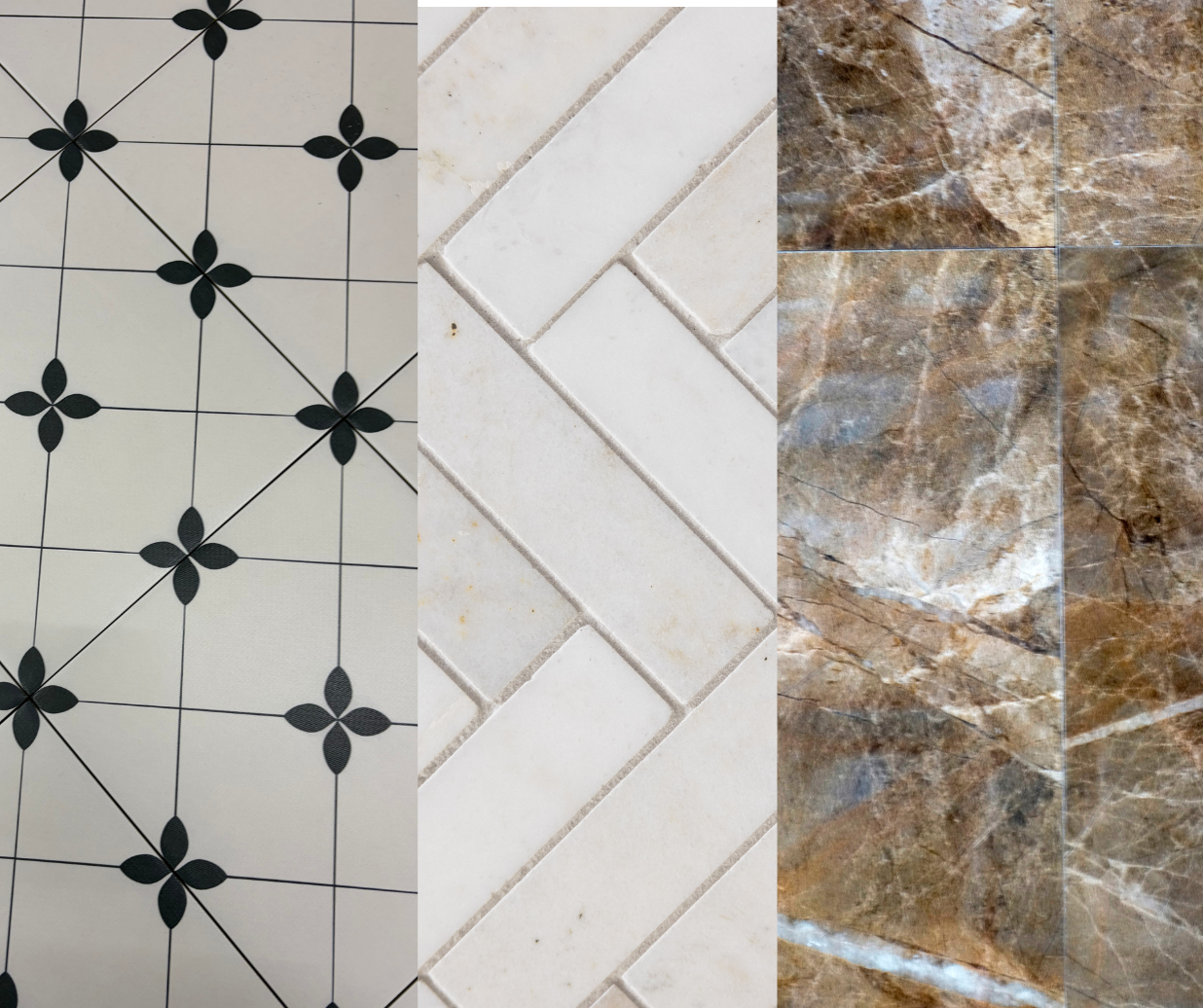
Porcelain is fired at a higher temperature than ceramic, which makes it denser and far more moisture-resistant. Its absorption rate is very low, meaning water sits on the surface rather than soaking in. For mudrooms, entryways, and kitchens where moisture is a daily reality, porcelain is a dependable starting point for most budgets and lifestyles.
It is also available in a wide range of sizes and finishes, including textured options that provide better traction when wet, which matters in spaces where people are coming in from outside.
Ceramic Tile
Ceramic is a solid, budget-friendly option that performs well in bathrooms, kitchens, and entryways. It is slightly more porous than porcelain, so it is better suited to indoor spaces rather than areas with direct or heavy moisture exposure. For homeowners working with a tighter budget, ceramic offers good moisture resistance and a wide range of design choices at a more accessible price point.
Natural Stone
Slate, travertine, and other natural stone options bring a level of character and warmth that manufactured tile cannot replicate. Slate in particular has a naturally textured surface that provides good traction and handles moisture well when properly sealed. Natural stone requires more maintenance than porcelain or ceramic, particularly around sealing, but for homeowners who value the look and are willing to care for it, it is a durable and distinctive choice for sunrooms, foyers, and entryways.
A Quick Look at How They Compare
Each tile type has its strengths depending on the space and the household. Here is a straightforward breakdown:
| Feature | Porcelain | Ceramic | Natural Stone |
|---|---|---|---|
| Moisture Resistance | Excellent, nearly impervious | Very good, glazed surface | Good, requires sealing |
| Durability | Very high | High for indoor use | High, varies by stone |
| Maintenance | Low, easy to clean | Low to moderate | Moderate, needs sealing |
| Slip Resistance | Available in textured finishes | Available in textured finishes | Naturally textured options |
| Cost (installed) | Mid-range | Budget-friendly | Mid to higher-end |
| Best Spaces | Mudrooms, entryways, kitchens | Kitchens, bathrooms, entryways | Sunrooms, foyers |
We guide every homeowner based on their specific spaces, budget, and lifestyle. There is no single right answer, and our team is happy to help you think through which tile fits each room.
Room by Room: Where Tile Handles Best
Mudrooms and Back Entrances
Wet boots, muddy paws, and damp jackets all land here first. Tile cleans up fast, does not hold onto moisture or odors, and holds up under the kind of daily use a mudroom sees. A textured or matte finish is the practical choice here, not a polished one, since wet feet and slick surfaces are a real safety concern.
Entryways and Foyers
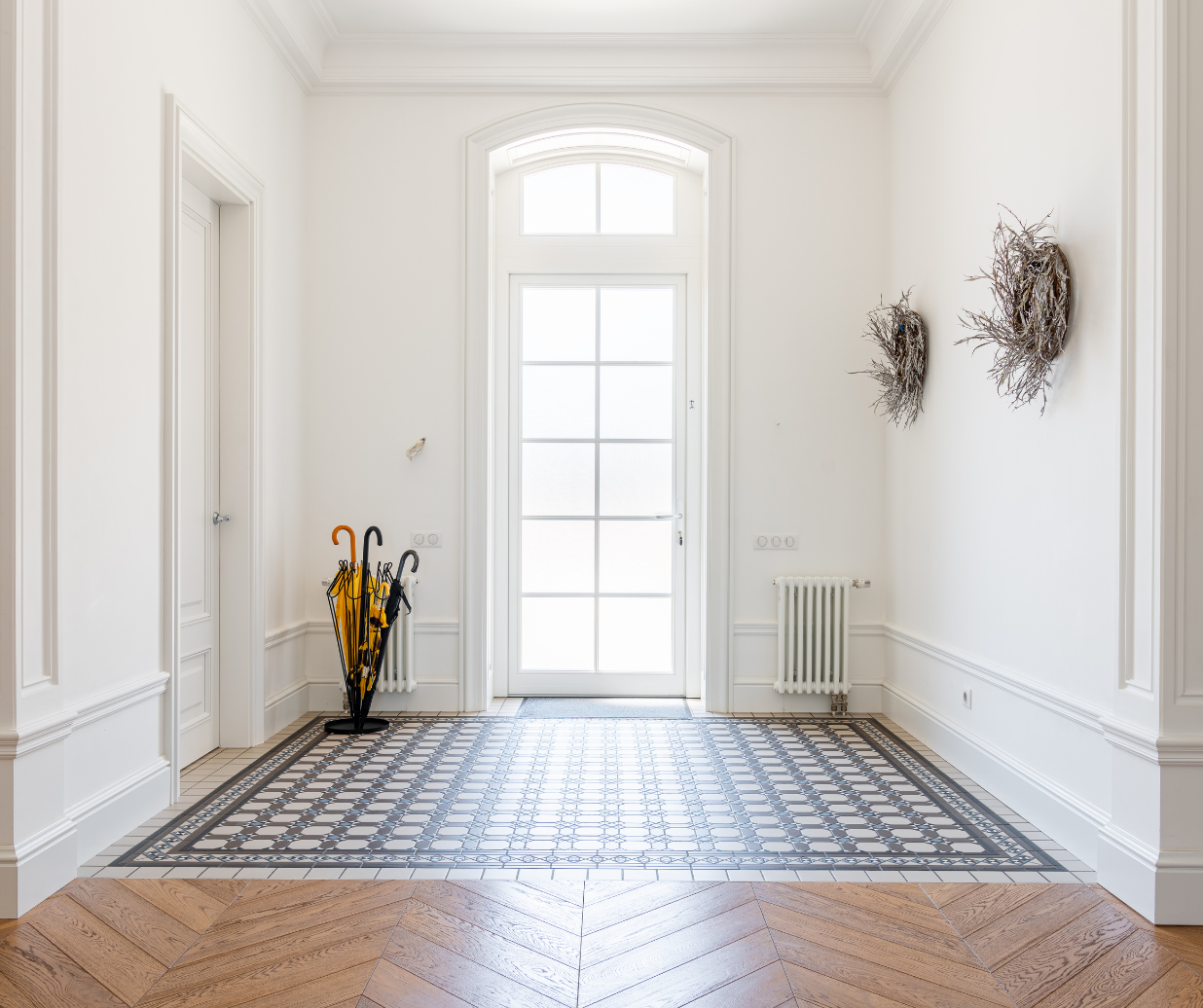
Entryways see a lot of traffic and are often the first thing guests notice. Tile handles the moisture and dirt that come in with every arrival while still giving homeowners room to make a design statement. Porcelain and natural stone are both popular choices here depending on the aesthetic and budget.
Kitchens
Tile is a practical and lasting choice for kitchen floors. Porcelain and ceramic both perform well here, and the wide range of sizes and styles available means the floor can work with almost any kitchen design.
Bathrooms
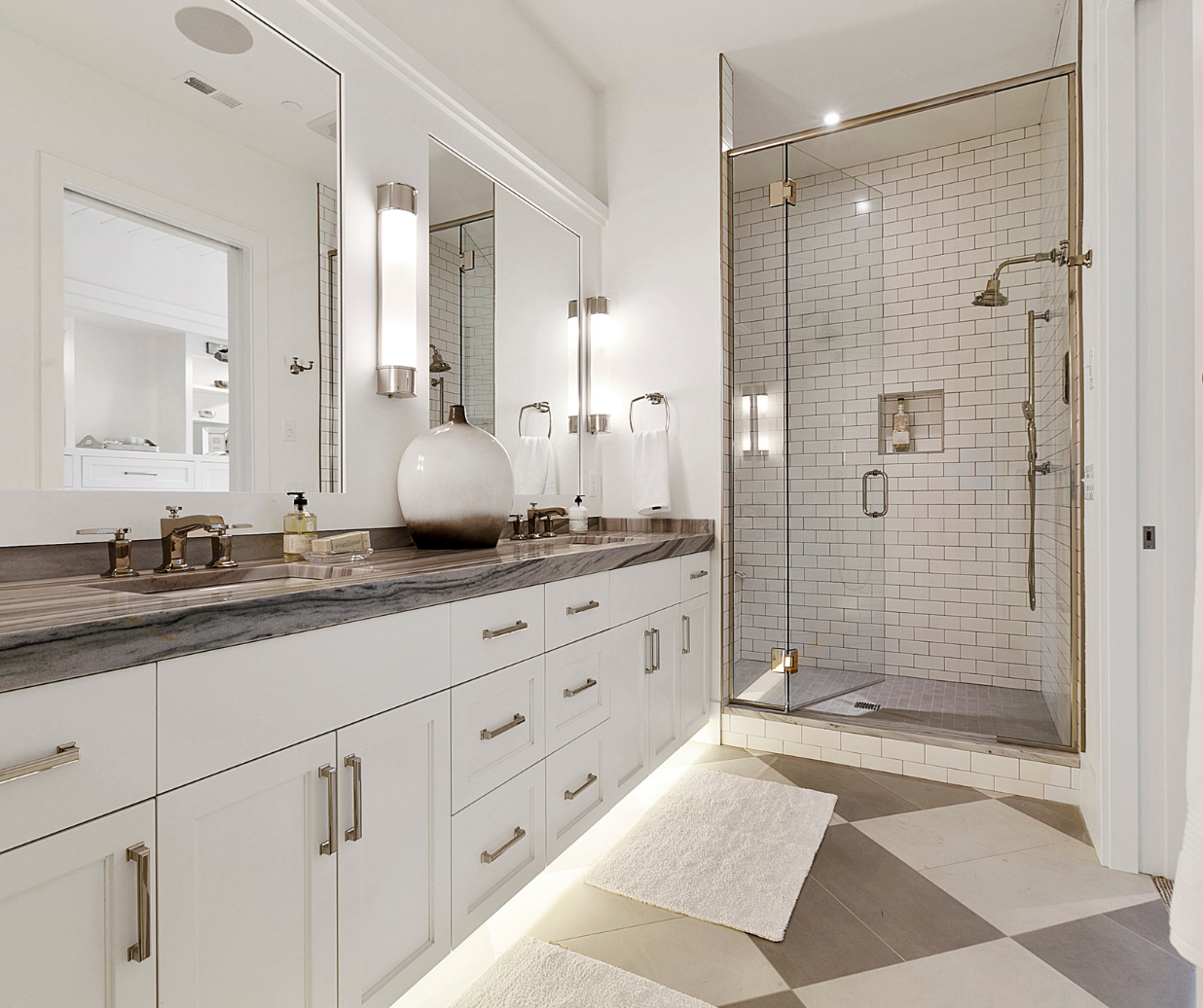
Bathrooms are a natural fit for tile year-round. Moisture resistance, easy cleaning, and the variety of available styles make tile the standard recommendation for bathroom floors. Choosing a textured finish in a shower or wet area reduces slip risk significantly.
Sunrooms and Outdoor-Adjacent Spaces
Sunrooms and covered outdoor areas experience more temperature and moisture variation than the rest of the home. Porcelain rated for temperature fluctuation is the most reliable choice in these spaces. Not all tile is rated for outdoor or semi-outdoor use, so product selection here requires a bit more attention.
A Few Installation Details That Matter
Finish Choice Affects Safety
A polished or glossy tile finish looks sharp but becomes slippery when wet. For any space where people are coming in from outside, a matte or textured finish is the safer call.
Grout Needs Attention Too
Grout is porous and can absorb moisture and staining if not sealed properly. In high-moisture spaces like mudrooms and kitchens, sealing grout at installation and maintaining it over time makes a meaningful difference in how the floor holds up and how easy it is to keep clean.
Natural Stone Needs Sealing Before Use
If you choose natural stone, it needs to be sealed before the space is put back into use. Waiting even a short time after installation can allow moisture to penetrate the surface and cause staining or damage that is difficult to reverse.
Keeping Tile Clean
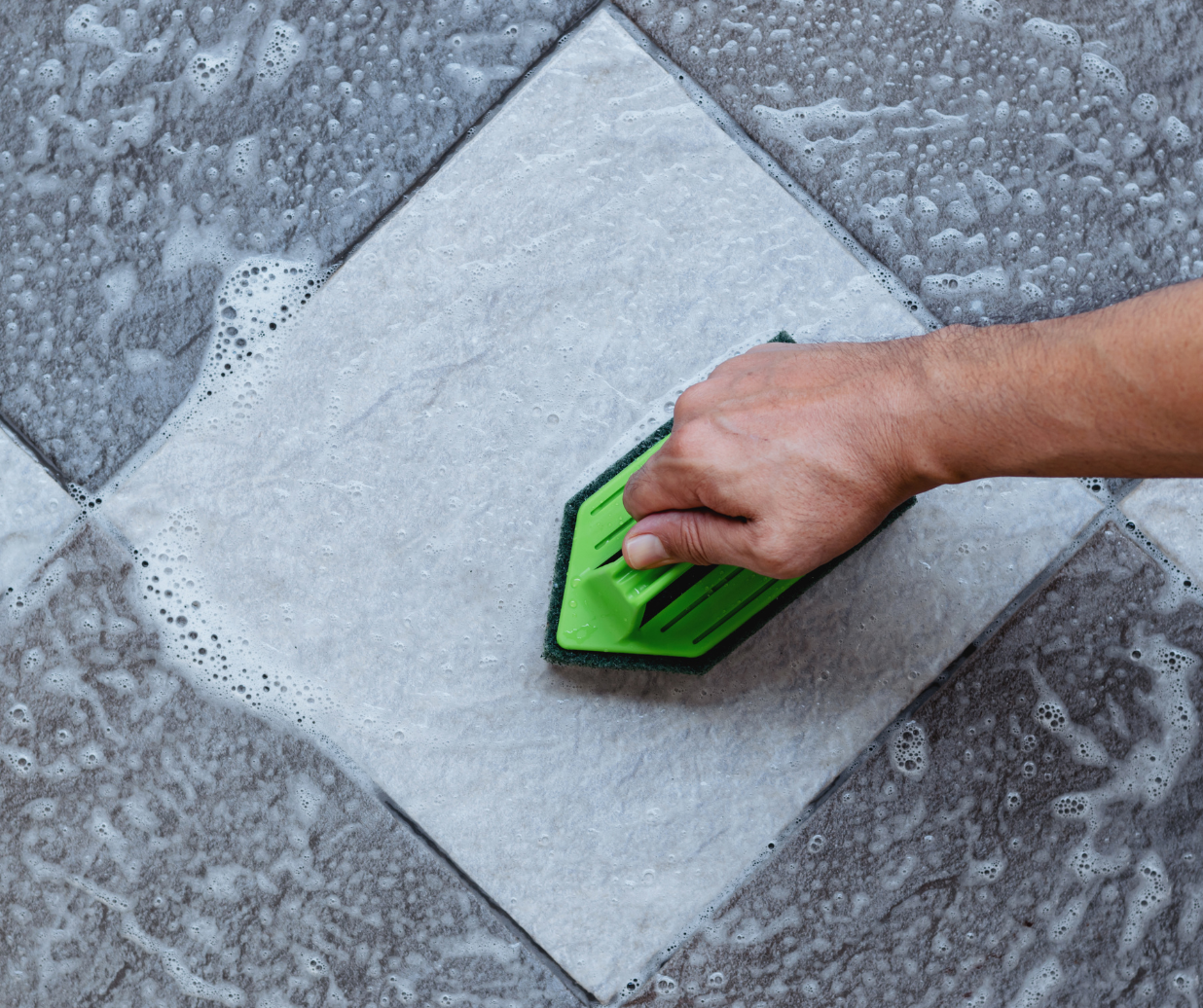
Tile is low maintenance, but a few habits keep it looking its best:
Place heavy-duty mats at every exterior door to catch moisture and debris before it reaches the tile.
Sweep or dry-mop regularly to prevent grit from scratching the surface over time.
Mop with a pH-neutral tile cleaner as needed, more frequently in mudrooms and entryways during wet weather.
Clean up standing water promptly, especially near exterior doors and in kitchens.
Reseal natural stone and grout on a regular schedule to maintain moisture resistance.
Frequently Asked Questions
What tile is best for a mudroom in Lascassas?
Porcelain with a matte or textured finish is a strong starting point for most mudrooms. It handles moisture well, cleans up quickly, and holds up under heavy daily use. That said, ceramic is also a practical option for homeowners working with a tighter budget. Our team can help you find the right fit for your specific space and household.
Does natural stone hold up in a wet entryway?
It can, with the right stone and consistent maintenance. Slate is the most practical natural stone choice for entryways because of its natural texture and density. It needs to be sealed at installation and resealed periodically, but it handles moisture well when properly maintained. Softer stones are less well-suited to high-traffic wet areas.
Is ceramic tile okay for a kitchen?
Yes. Ceramic is a solid and budget-friendly choice for kitchen floors. It handles spills and moisture well and comes in a wide range of styles. It is slightly more porous than porcelain, so prompt cleanup of spills and proper grout sealing are worth the attention in a kitchen environment.
What finish should I choose for a wet area?
A matte or textured finish is the safer and more practical choice for any area where wet feet are common. Polished and glossy finishes look great but can become slippery when wet, which is a real concern in mudrooms, bathrooms, and entryways.
How often does grout need to be sealed?
In high-traffic or high-moisture areas, sealing grout every one to two years is a reasonable guideline. The right schedule depends on the space, the grout type, and how much use the floor sees. Our team can give you a more specific recommendation based on your installation.
Does City Tile serve the Lascassas area?
Yes. We work with homeowners throughout Lascassas, Murfreesboro, Lebanon, and the surrounding communities. Our showroom in Murfreesboro is a straightforward drive for Lascassas residents, and our team handles everything from product selection through professional installation.
Ready to Find Tile That Works for Your Lascassas Home?
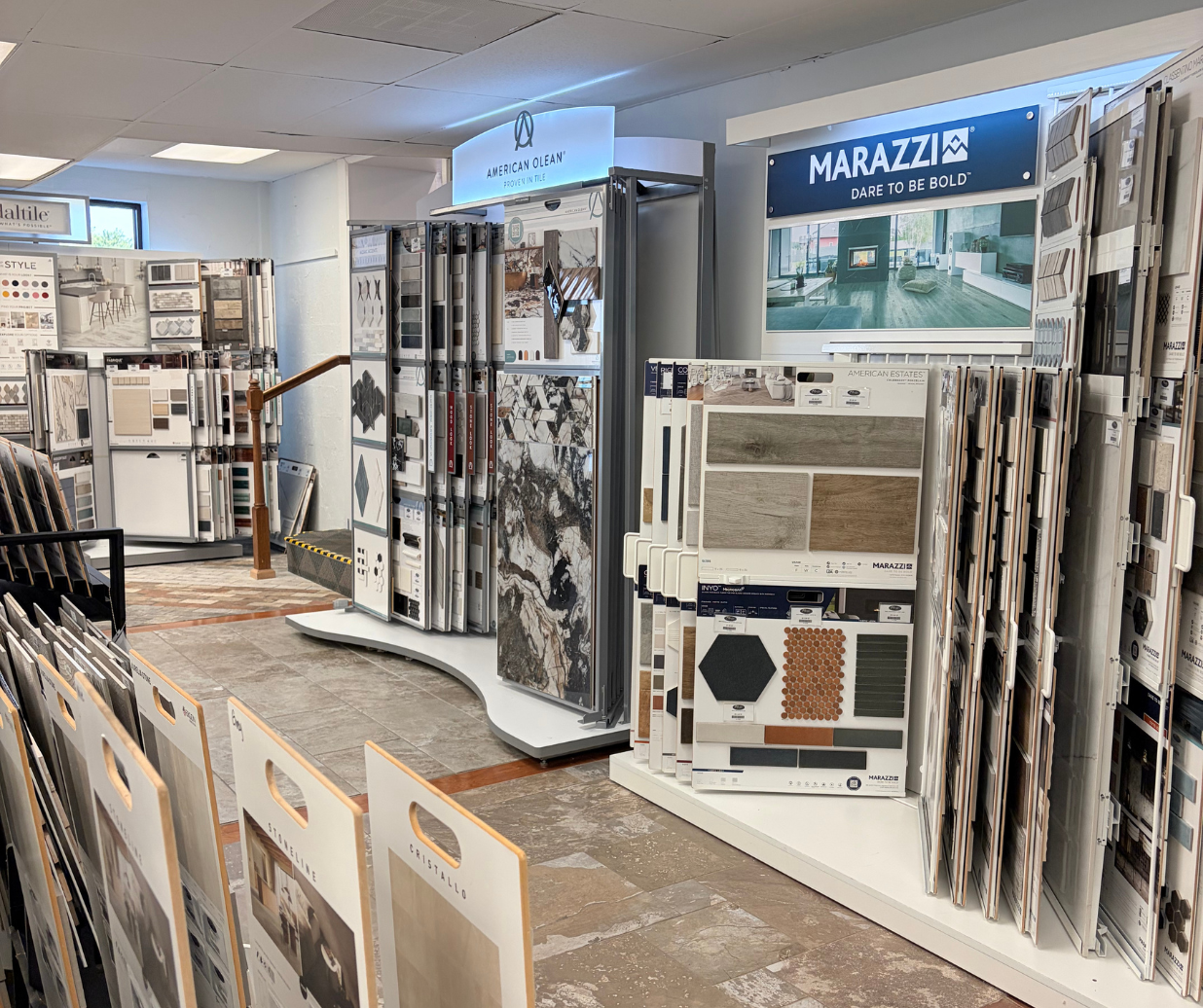
If the floors in your mudroom, entryway, kitchen, or sunroom are not holding up to moisture the way you need them to, our team at City Tile and Floor Covering Company can help. We carry a wide selection of porcelain, ceramic, and natural stone tile and work with homeowners across Lascassas, Murfreesboro, Lebanon, and the surrounding area.
Stop by our showroom to see samples in person or reach out to schedule a consultation. We handle everything from product selection through professional installation.


