

When you live in a flood-prone area, choosing the right flooring for your home is crucial. Traditional materials like hardwood and carpeting can suffer severe damage from water exposure, leading to mold growth and costly repairs. Waterproof flooring offers a resilient and practical solution for homeowners who face the risk of flooding. Certain materials, such as some types of vinyl and tile, are designed to withstand moisture, minimizing damage and ensuring long-term durability. In this article, we will discuss how to minimize water damage to your home with flood-resistant flooring options.
Understanding Waterproof Flooring
Living in a flood-prone area brings the constant threat of water damage, which can wreak havoc on a home. Rising water can saturate traditional flooring materials, causing warping, rotting, and the breeding of harmful mold and mildew. This can lead to costly repairs and potential health risks.
Waterproof Flooring vs. Water-Resistant Flooring
Understanding the distinction between "waterproof" and "water-resistant" flooring is crucial for homeowners, especially in areas prone to flooding.
Water-resistant flooring can repel water to some extent, but it's not designed for prolonged exposure. It can handle occasional spills and splashes if cleaned up promptly. However, if exposed to standing water for an extended period, water-resistant flooring may absorb moisture and become damaged.
Waterproof flooring is designed to be completely impervious to water. It can withstand prolonged exposure to moisture, including standing water, without sustaining damage. They are an ideal choice for areas with high moisture levels, such as bathrooms, basements, and laundry rooms, and areas prone to flooding.

Characteristics of Waterproof Flooring
Waterproof flooring distinguishes itself through its specialized construction, engineered to resist water penetration. Unlike water-resistant materials, waterproof options, such as luxury vinyl plank (LVP) and certain tiles, prevent any moisture absorption and remain stable even when submerged, making them ideal for basements and ground-level rooms. This is achieved through a core layer that's impervious to water, often made of PVC or a similar synthetic material.
Additionally, the interlocking installation methods common in LVP create a tight seal, further preventing water seepage.
Installation of Flooring for Wet Areas
Even waterproof flooring like LVP is subject to water damage when not correctly installed. Here's why correct interlocking installation is crucial:
- Creating a Tight Seal: The interlocking system, often a "click-lock" mechanism, is designed to create a seamless surface. When installed correctly, each plank or tile fits snugly against its neighbors, forming a barrier that prevents water from seeping through the seams. Gaps or loose connections create pathways for water to penetrate the subfloor.
- Preventing Subfloor Exposure: If the interlocking pieces aren't properly engaged, water can easily reach the subfloor. This can lead to mold growth, rot, and structural damage, even if the flooring itself is waterproof.
- Maintaining Dimensional Stability: Correct installation ensures the flooring lays flat and remains stable. Improperly installed LVP can shift or buckle when exposed to moisture, compromising its waterproof integrity.
- Proper Subfloor Preparation: A level, clean, and dry subfloor is essential for a successful interlocking installation. Uneven surfaces or debris can prevent a tight fit, leaving vulnerabilities for water intrusion.
- Avoiding Gaps at Edges and Transitions: Special attention must be paid to edges and transitions where the flooring meets walls, doorways, or other flooring types. Gaps in these areas require proper sealing to prevent water from wicking up from below.
In short, even the best waterproof flooring is only as effective as its installation. A meticulous, professional installation is essential to maximize the protective capabilities of flood-prone area flooring and to ensure its long-term performance.
The Best Flooring Materials for Flood Zones
When selecting the best flooring for flood zones, prioritize materials that resist water absorption and are easy to clean. Here are some top choices for flood-prone area flooring:
Luxury Vinyl Planks (LVP)
LVP is an excellent flooring for wet areas because it is 100% waterproof when installed correctly. Homeowners love this versatile choice because it very effectively mimics the look of natural wood or tile at a much lower price. Modern LVP is durable, easy to maintain, and resistant to scratches and stains.
Porcelain Tiles
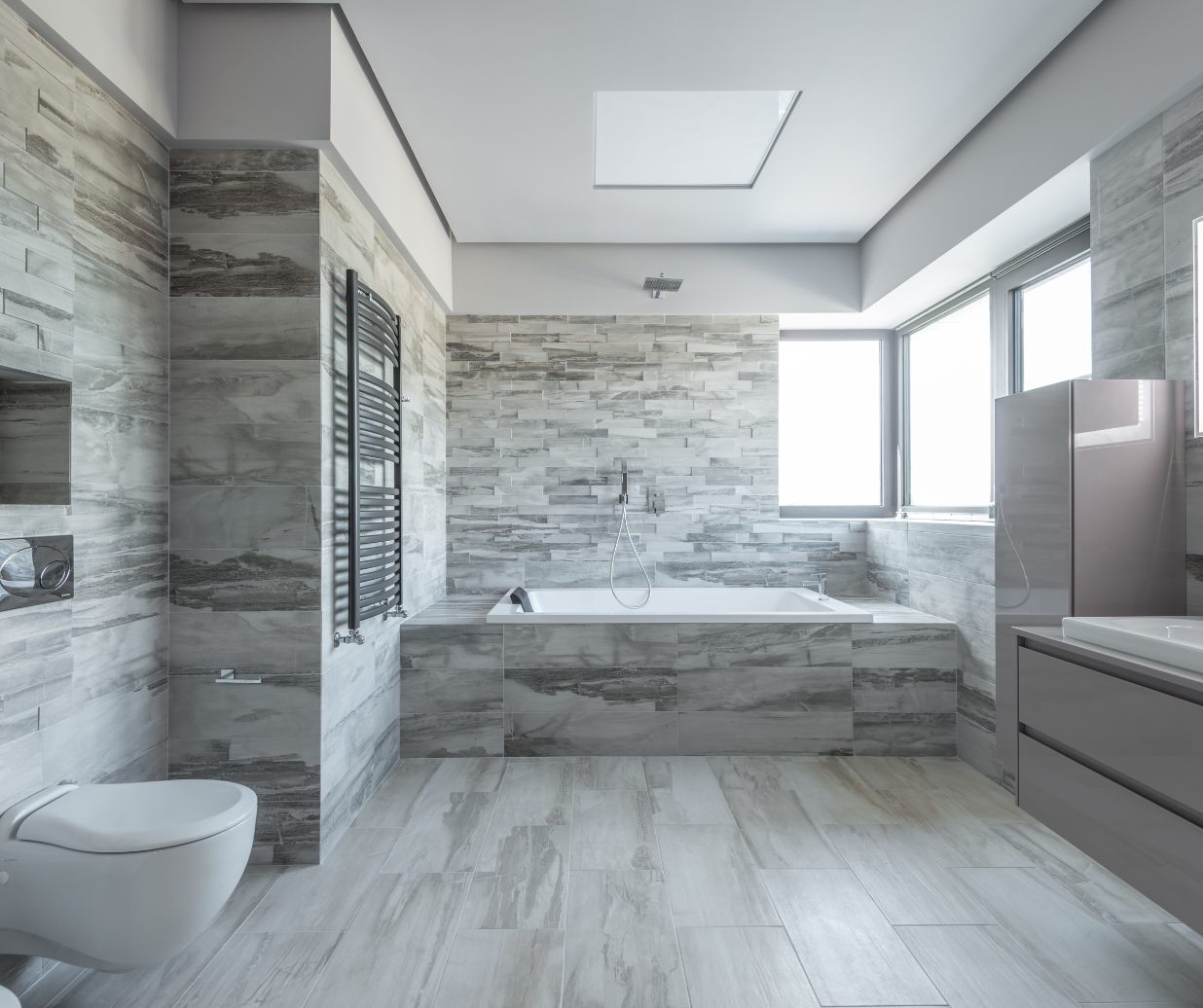
Porcelain tiles are highly water-resistant, making them excellent for areas prone to flooding. They are durable, easy to clean, and can withstand prolonged water exposure: their dense, non-porous surface discourages the growth of mold and mildew. Note that grout lines can allow moisture to seep under tile so proper sealing of the grout is essential.
Waterproof Laminate
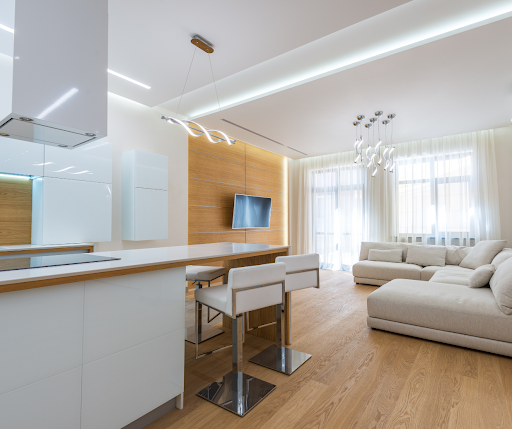
Improvements in technology have created waterproof laminate options that provide the aesthetic appeal of hardwood while minimizing the risk of water damage. It’s important to note that not all waterproof laminates are created equal. It's crucial to select high-quality waterproof laminate to ensure optimal performance in wet conditions.
Post-Flooding: Flooring Maintenance and Recovery
What type of flooring maintenance is needed after flooding?
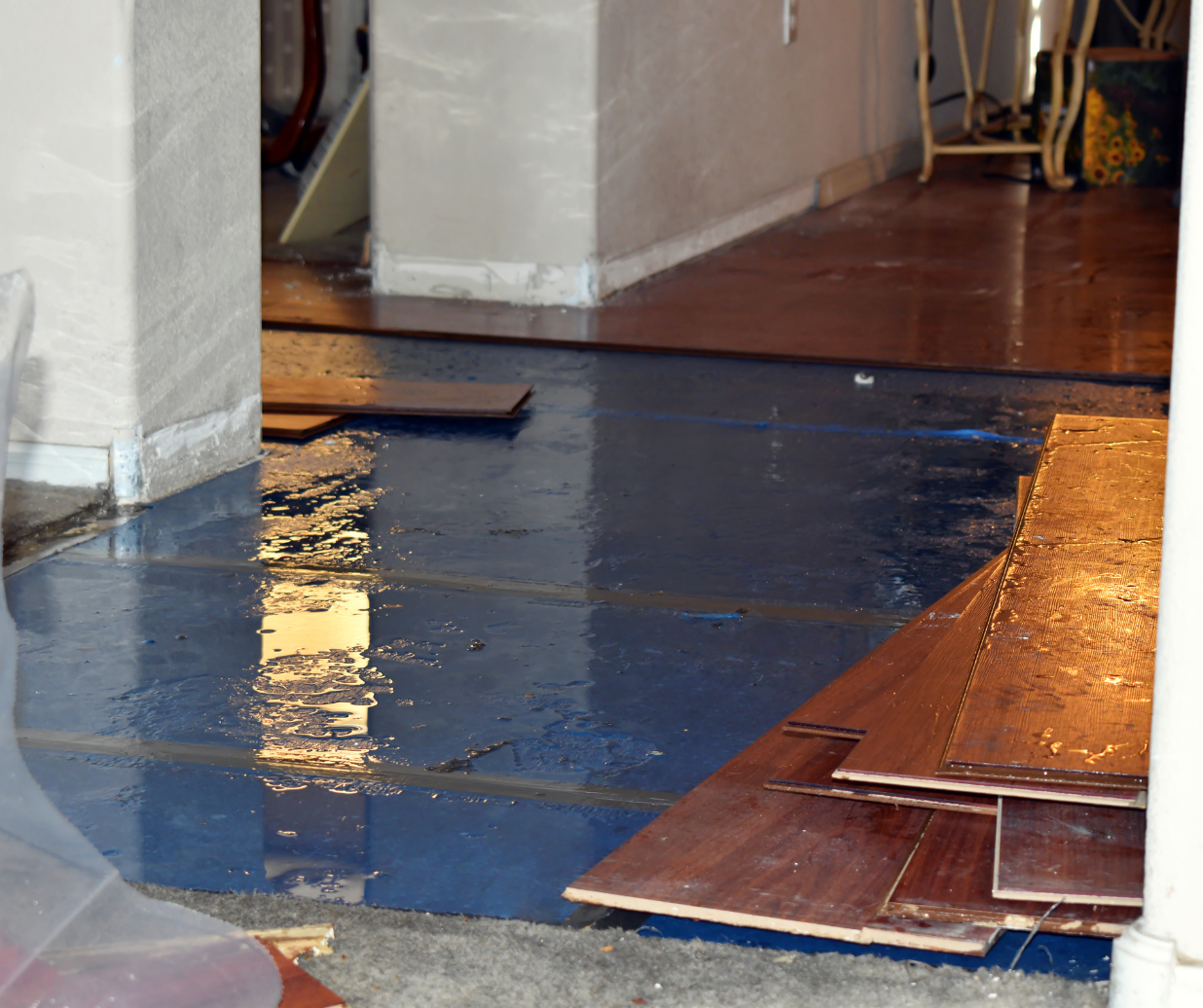
If your home floods, your swift action can minimize damage to your flooring and facilitate a quick restoration. Begin by immediately removing any standing water as soon as possible using a wet vacuum, towels, or mops. The faster you remove the water, the less chance there is of water seeping under the flooring or damaging surrounding walls and baseboards. If possible, use fans and dehumidifiers to accelerate the drying process, ensuring that the subfloor and surrounding areas are thoroughly dry.
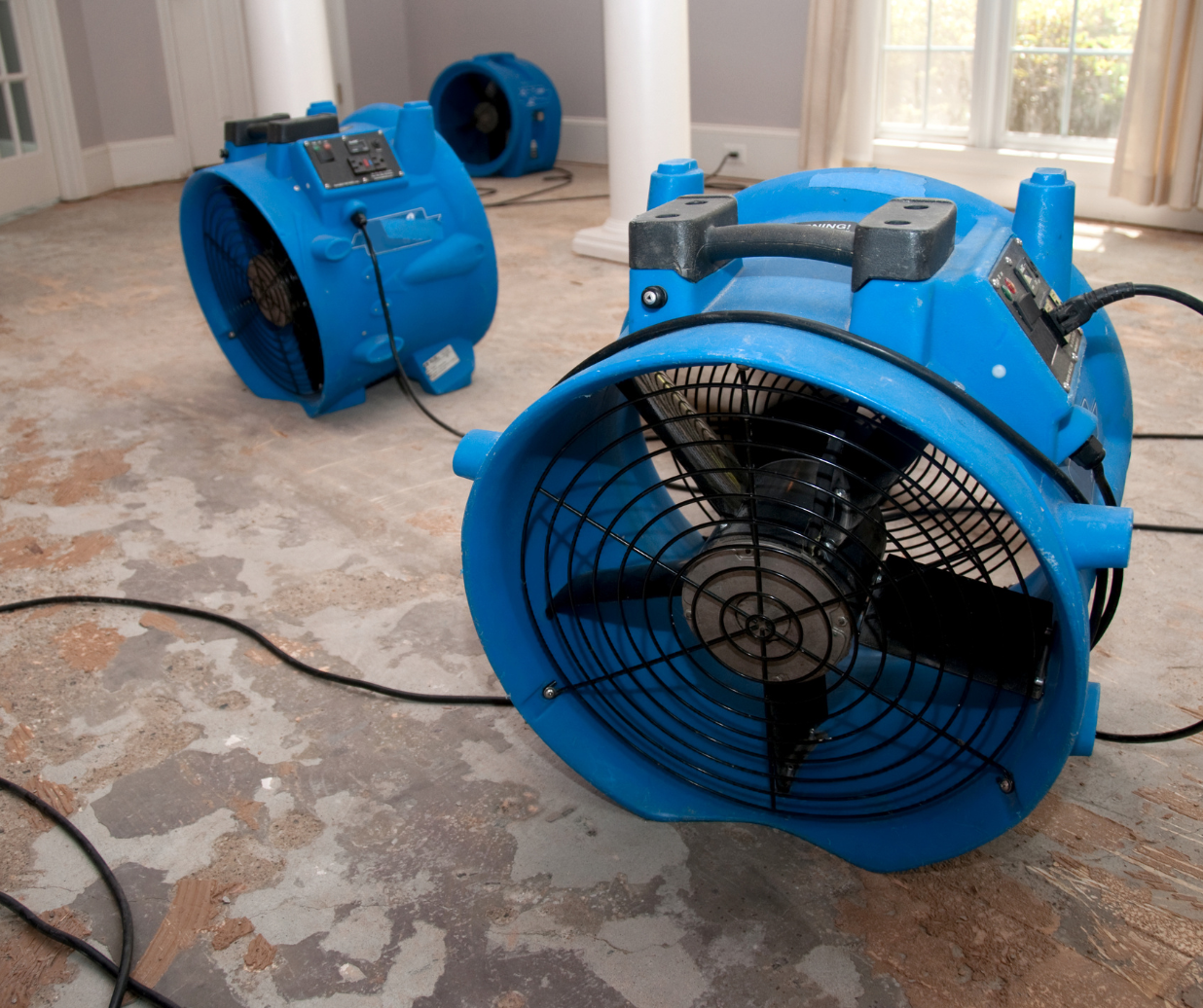
Once the standing water is gone, clean your floors with a mild detergent and water solution, paying close attention to any dirt or debris that might have been carried in by the floodwaters. For tile flooring, pay special attention to the grout lines, as they can trap dirt and moisture. Inspect the flooring for any signs of damage, such as loose planks or tiles, and address these issues promptly. If any planks or tiles are damaged beyond repair, they can usually be replaced individually, thanks to the modular nature of many waterproof flooring systems.
Finally, ensure the subfloor is completely dry before replacing any furniture or rugs. Monitor the humidity levels in the room to prevent mold growth and maintain optimal conditions. Regular cleaning and maintenance will help preserve the longevity and appearance of your waterproof flooring, ensuring it remains resilient even after future flooding events.
Frequently Asked Questions about Waterproof Flooring
What types of waterproof flooring are best suited for wet areas?
For consistently wet areas like bathrooms, kitchens, and basements, porcelain tile and luxury vinyl plank (LVP) are excellent choices. Porcelain tile's non-porous nature and LVP's synthetic composition make them completely impervious to water. These materials resist mold, mildew, and warping, ensuring long-term durability in high-moisture environments.
Can waterproof flooring actually prevent water damage during a flood?
Waterproof flooring, such as LVP and porcelain tile, can significantly minimize water damage during a flood by preventing absorption and warping. While they can't prevent the flood itself, they protect the flooring material from lasting damage, making cleanup and restoration much easier. However, it's important to remember that they don't prevent water damage to the subfloor or walls, and proper installation is crucial for maximum protection.
What maintenance is needed for waterproof flooring after a flood occurs?
After a flood, promptly remove standing water, clean with a mild detergent, and thoroughly dry the flooring and subfloor; inspect for damage and address any loose planks or tiles to prevent further issues.
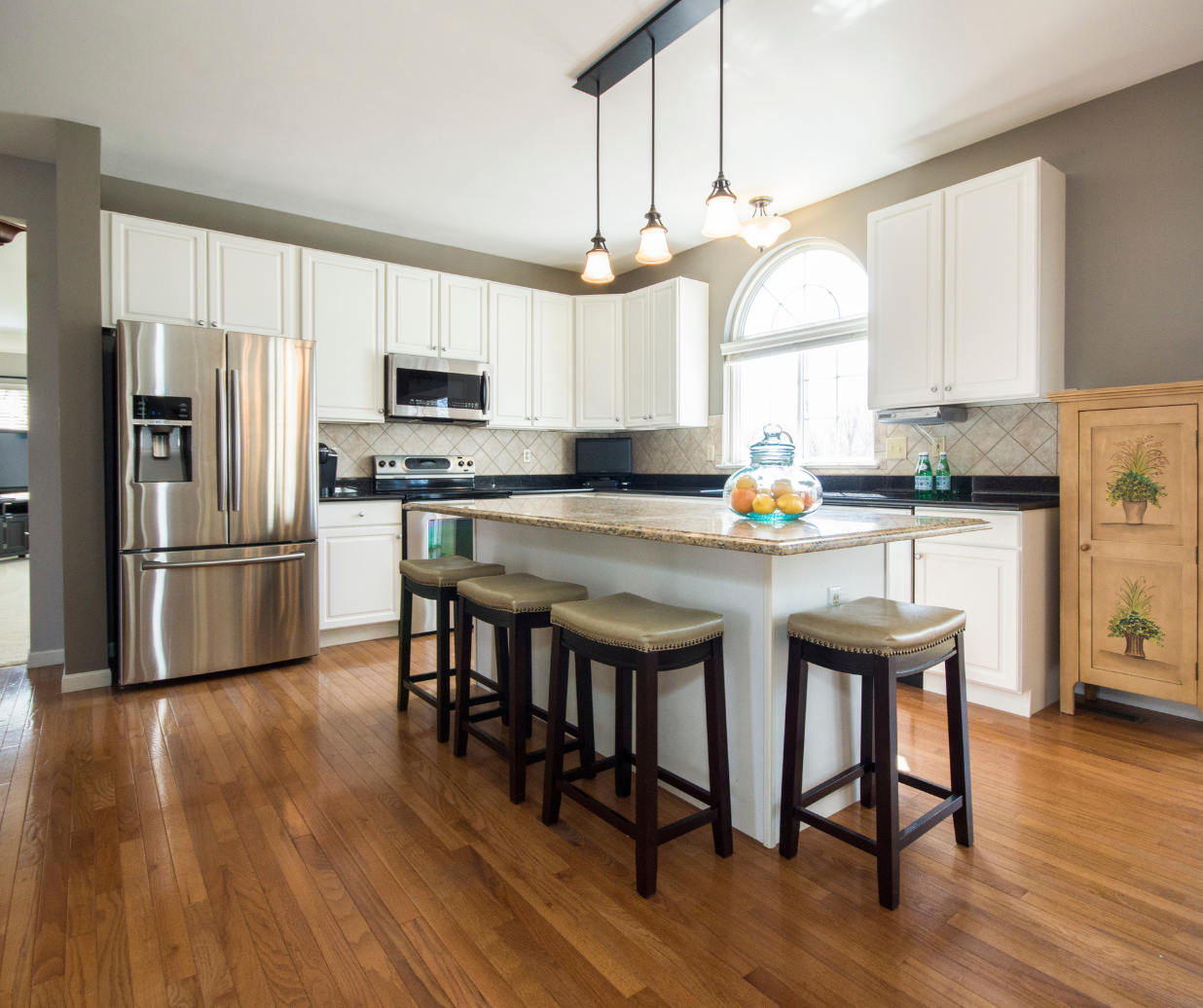
Fortify Your Home with City Tile's Waterproof Flooring
City Tile offers a stunning selection of durable, waterproof flooring solutions that are perfect for any flood-prone area, ensuring lasting beauty and protection. Our installation services guarantee a flawless finish, and our Murfreesboro flooring experts offer free design assistance to help you achieve your dream look. Don't wait; schedule a consultation, call us, or visit our showroom today to explore our waterproof options and safeguard your home.


