

Spring cleaning is crucial for maintaining a healthy and beautiful home, and deep cleaning floors is a significant part of this process. Removing built-up dirt and grime not only enhances the appearance of your flooring but also helps to extend its lifespan. In our flooring maintenance guide, the flooring experts at City Tile offer tips for cleaning tile, wood, and laminate, explain how to remove stains from floors, and provide floor care routines that will help ensure lasting beauty and durability.
The Essentials of Floor Cleaning
To keep your floors beautiful and in good condition, clean them regularly according to the manufacturer’s recommendations. This will typically include sweeping, dusting, or vacuuming to pick up loose dirt, then some type of cleaning with a pH-neutral cleaning product specifically formulated for your floor type.
Establishing a routine that includes these basic steps will help your floors last longer and keep them looking great. This strategy prevents dirt buildup and reduces the need for harsh cleaning methods that can damage flooring over time.
For all flooring types, acting quickly when a spill happens is the best way to prevent a stain from setting in. Always test any cleaning solution in an inconspicuous area first to make sure it doesn't damage or discolor your floor.Now let’s review typical floor care routines for specific types of flooring.

Deep Cleaning Tile Floors: Techniques for a Thorough Clean
Deep cleaning your tile floors can really bring back their sparkle and keep them looking great for years. You'll need a good quality tile cleaner – look for one that's designed for your specific type of tile. A bucket, a sturdy mop (microfiber mops work really well), a scrub brush (especially for the grout), and some clean water are needed. Don't forget gloves to protect your hands!
Start by giving your floors a good sweep or vacuum to get rid of any loose dirt, dust, or crumbs. Next, mix your tile cleaner with warm water according to the instructions on the product. Dip your mop into the solution, wring it out so it's damp but not soaking wet, and then mop your floors in sections, overlapping slightly to make sure you cover everything. If you have some stubborn spots, you might need to let the cleaning solution sit on them for a few minutes before scrubbing gently with your scrub brush.
Now, let's talk about that grout – the lines between your tiles. Grout can get really dirty and discolored. For a DIY cleaning hack, you can make a paste of baking soda and water. Apply this paste to the grout lines, let it sit for about 15-30 minutes, and then scrub it with a stiff brush or even an old toothbrush. Rinse the grout and the surrounding tiles with clean water.
Another option for tougher grout stains is a mixture of white vinegar and water (about half and half), but be careful using this on certain types of tile as it can be acidic. Always rinse thoroughly with clean water after cleaning the grout.
Finally, once you've scrubbed the grout and mopped the entire floor, rinse your mop with clean water and go over the tiles one more time to remove any leftover cleaning solution. Let the floors air dry completely, or you can use a clean, dry towel to speed up the process. Regular deep cleaning, along with your usual sweeping or vacuuming, will keep your tile floors looking their best and help them last longer.

Bringing Shine Back to Wood Floors
Maintaining the beauty and longevity of hardwood floors requires a consistent approach to cleaning and a focus on preventative measures. For routine cleaning, sweeping or vacuuming with a soft brush attachment is crucial to remove dust, dirt, and pet hair that can scratch the surface. Avoid using vacuums with beater bars, as these can damage the wood. For occasional deeper cleaning, a slightly damp mop is acceptable, but it's vital to use a cleaner specifically designed for hardwood floors. These cleaners are formulated to clean effectively without leaving residue or introducing excessive moisture, which can cause warping or dull the finish. Always wring the mop thoroughly so it’s barely damp, and dry any wet spots immediately.
To restore shine to hardwood floors, consider using a hardwood floor polish or restorer periodically. These products are designed to revitalize the finish and provide a protective layer against minor scratches and wear.
Before applying any polish, ensure the floors are thoroughly clean and free of dust. Apply the polish according to the manufacturer's instructions, usually in a thin, even coat.
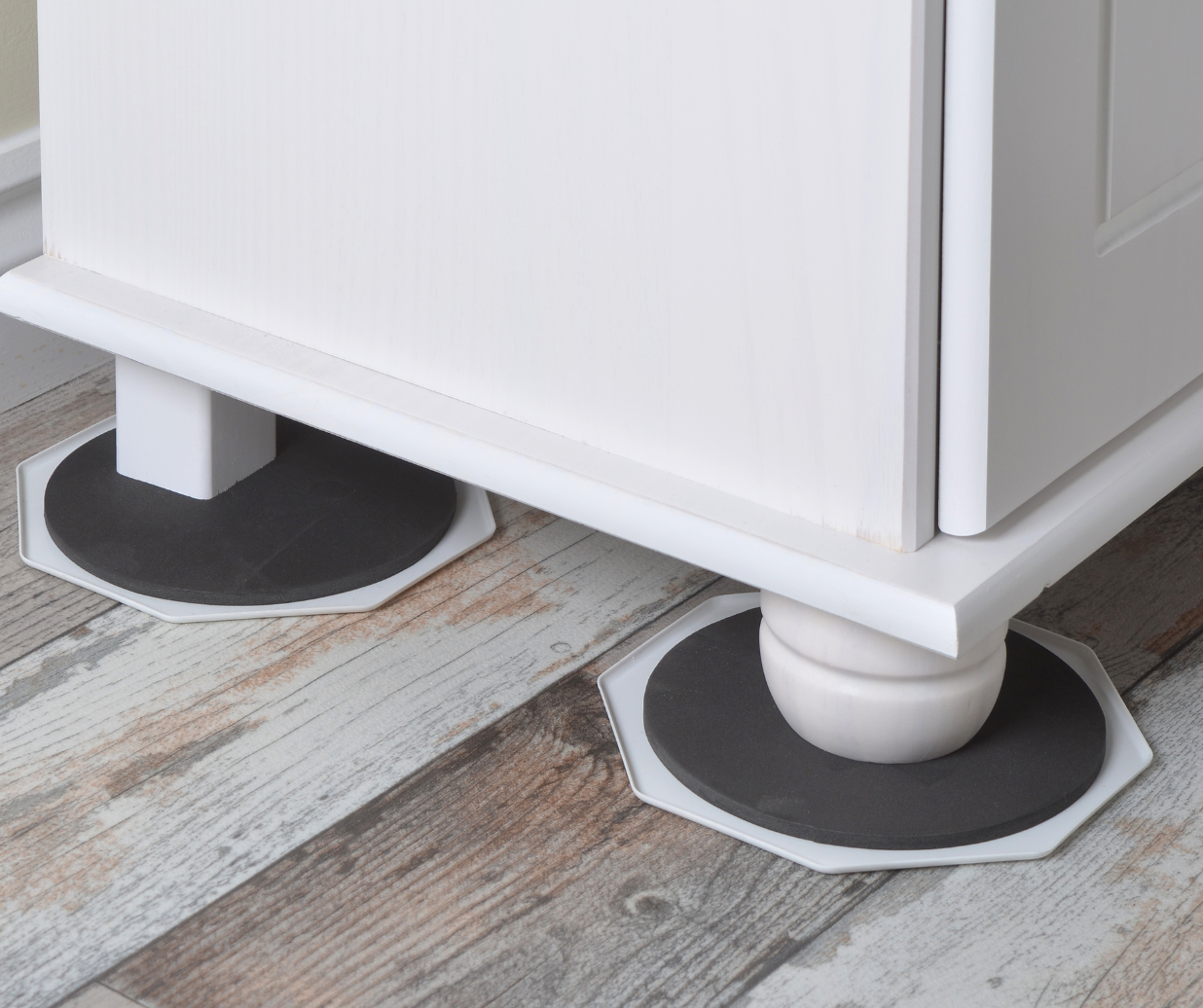
Take care to avoid scratching your wood floors. Place rugs in high-traffic areas and at doorways to reduce wear and tear from foot traffic and outside debris. Placing felt pads under furniture legs prevents scratches when moving furniture. Additionally, being mindful of spills and cleaning them up promptly prevents liquids from seeping into the wood and causing stains or damage.
Controlling humidity levels in your home can also help prevent the wood from expanding or contracting excessively, which can lead to cracks or gaps. By combining careful cleaning practices with proactive prevention, you can ensure your hardwood floors retain their elegance and durability for years to come.

Keeping Laminate Floors Pristine and Polished
Keeping laminate floors clean and shiny is pretty straightforward. It’s important to not let them get too wet. Think of laminate like paper – too much water can cause laminate flooring to swell or warp. For everyday cleaning, sweeping or vacuuming with a soft brush or a vacuum cleaner made for hard floors is your best bet.
When you do need to mop, use a laminate floor cleaner and a microfiber mop. Microfiber mops are great because they pick up dirt really well without needing a lot of water.
Make sure you wring out the mop really well so it’s just damp, not soaking wet. Mop in the direction of the planks. If you spill something, wipe it up right away with a damp cloth. Avoid using things like soap-based detergents, abrasive cleaners, or steel wool, as these can leave streaks or scratch the floor's surface.
Stain Removal Strategies for Different Flooring Types
Dealing with unexpected spills and stains on your floors can be frustrating, but knowing how to handle them quickly can save your flooring. For tile floors, common stains like juice or coffee can usually be wiped up with a damp cloth and a little mild detergent. For tougher stains in the grout, like mildew, a mixture of baking soda and water, scrubbed with a brush, often works well. Grease stains can be tackled with a bit of dish soap and warm water. For really stubborn stains on tile, you might need a cleaner specifically made for tile and grout.
Wood floors require a bit more care. For most spills, like water or non-greasy food, a quick wipe with a slightly damp cloth is enough. For oil-based stains, try sprinkling cornstarch or baking soda on the spot to absorb the grease, let it sit for a bit, and then vacuum it up. You can then gently wipe the area with a wood floor cleaner. Ink stains can sometimes be removed with rubbing alcohol on a cloth, but test it in a hidden area first. Always avoid letting liquids sit on wood floors for too long.
Laminate floors are pretty durable, but you still need to act fast with spills. Most common stains like food, drinks, or even pet messes can be cleaned with a damp cloth and a laminate floor cleaner. For greasy stains, a little dish soap on a damp cloth can help. Sticky messes can sometimes be loosened with a bit of warm water. Avoid using harsh chemicals or abrasive cleaners on laminate, as they can damage the surface.
Deciding Between DIY and Professional Floor Care
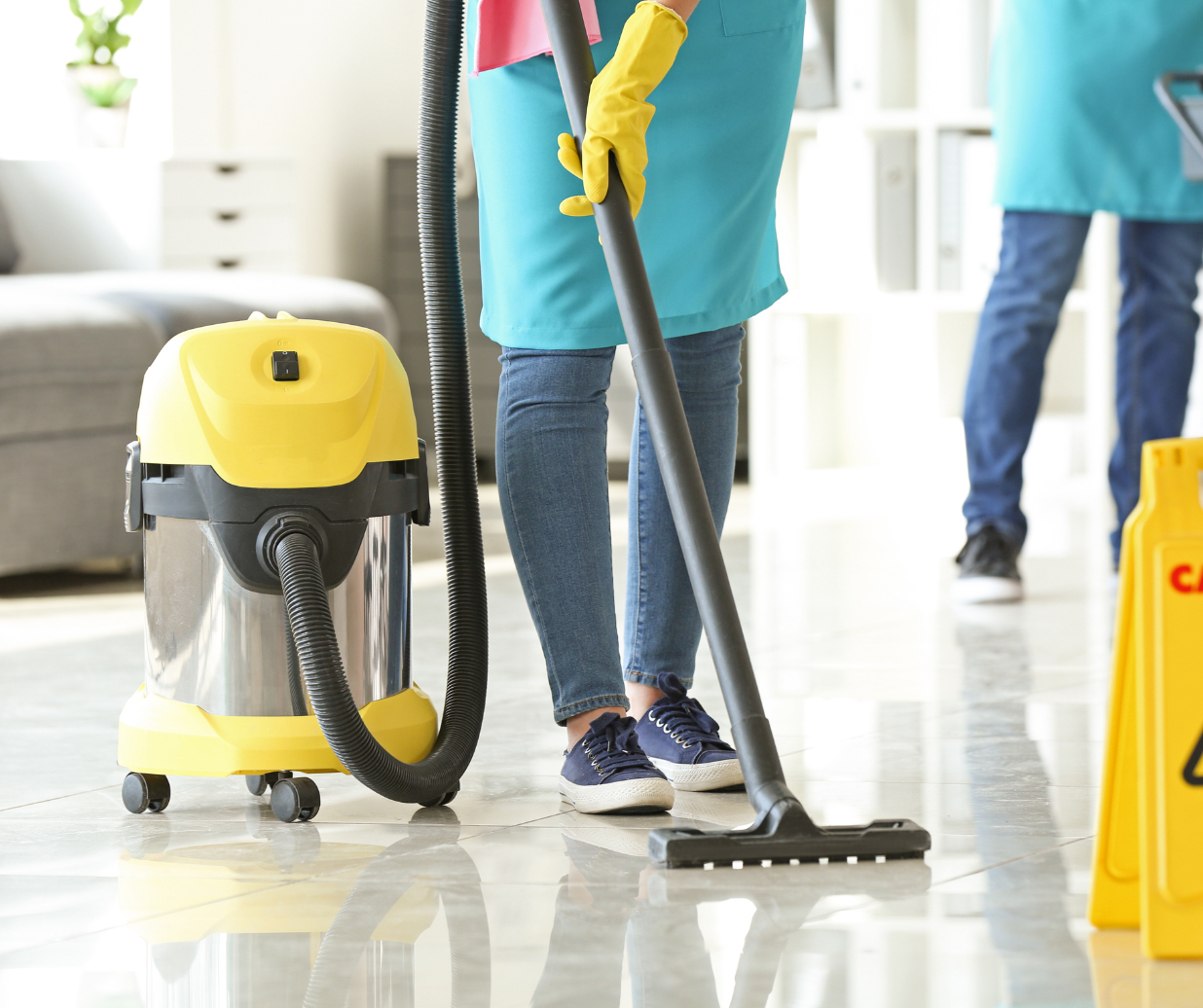
When it comes to deep cleaning your floors, you can do it yourself (DIY) or hire professional floor cleaners. There are pros and cons to both. You’ll save some money going the DIY route. But, you might not have the best cleaning tools or know exactly how to clean certain types of floors. Plus, it can take up a lot of your time and energy. You also run the risk of damaging your floors if you use the wrong cleaners or methods.
On the other hand, professional floor cleaners have the experience and the right equipment to do a great job. They know how to clean different kinds of floors without causing damage. Hiring them saves you time and effort, and they can often get your floors much cleaner than you could on your own. However, hiring professionals costs more than doing it yourself. You also have to schedule a time for them to come to your house.
So, which is better? It really depends on your situation. If you're on a tight budget and don't mind putting in the time, DIY might be the way to go for regular cleaning. But, if you have delicate floors, stubborn stains, or just don't have the time to clean thoroughly, hiring professionals can be a good investment to keep your floors looking their best and lasting longer.
Find Your Dream Floors at City Tile
When you're ready to transform your space with a fresh new look or need to replace worn-out flooring, City Tile and Flooring in Murfreesboro offers the best selection and service to help you find the perfect fit. Request a design consultation, browse online, or stop by our showroom today!


