
Fall in Middle Tennessee is one of the most beautiful times of year, and also one of the most important seasons to pay attention to if you have hardwood floors. As temperatures drop and indoor humidity levels fall, solid hardwood responds in a way that catches many homeowners off guard.
At City Tile and Floor Covering Company, we have been working with hardwood floors across Rockvale and the surrounding area for nearly 70 years. In this post, we walk through what happens to hardwood as the seasons change, what you can do to protect your floors before fall arrives, and what signs to watch for once it does.
What Fall Weather Does to Solid Hardwood
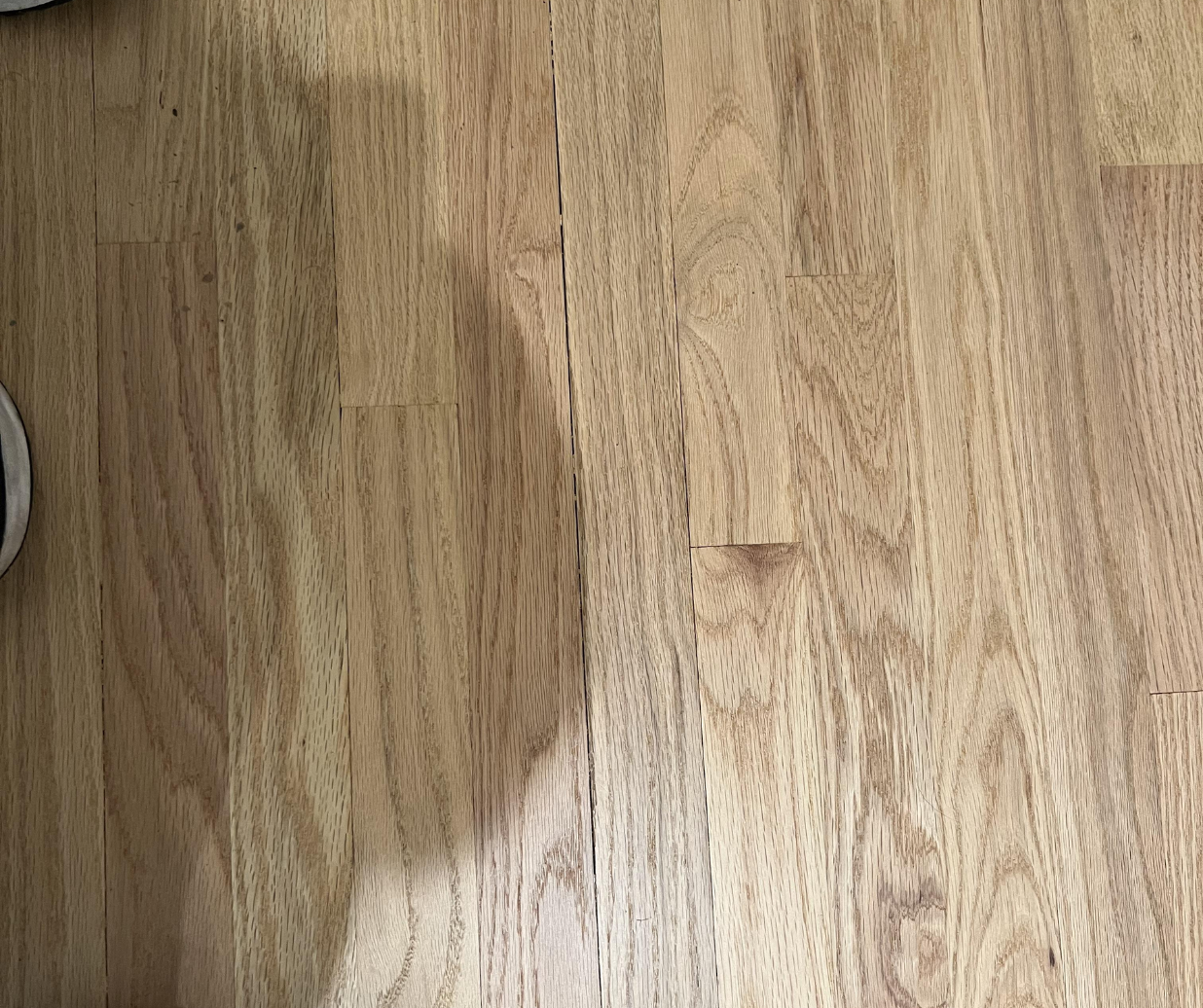
Solid hardwood responds to humidity. In Middle Tennessee summers, indoor humidity is higher, and wood expands slightly. As fall arrives and indoor air dries out, the wood contracts.
That contraction causes the small gaps you may notice between planks as fall sets in. In most cases, that is normal, and the gaps close back up when humidity rises again in spring.
The concern is a significant or sudden humidity drop, which can cause wider gapping, small cracks in the finish, or movement at the board edges. Preparing before the season changes makes a meaningful difference in how your floors handle the transition.
What You Can Do Before Fall Arrives
Understand your indoor humidity.
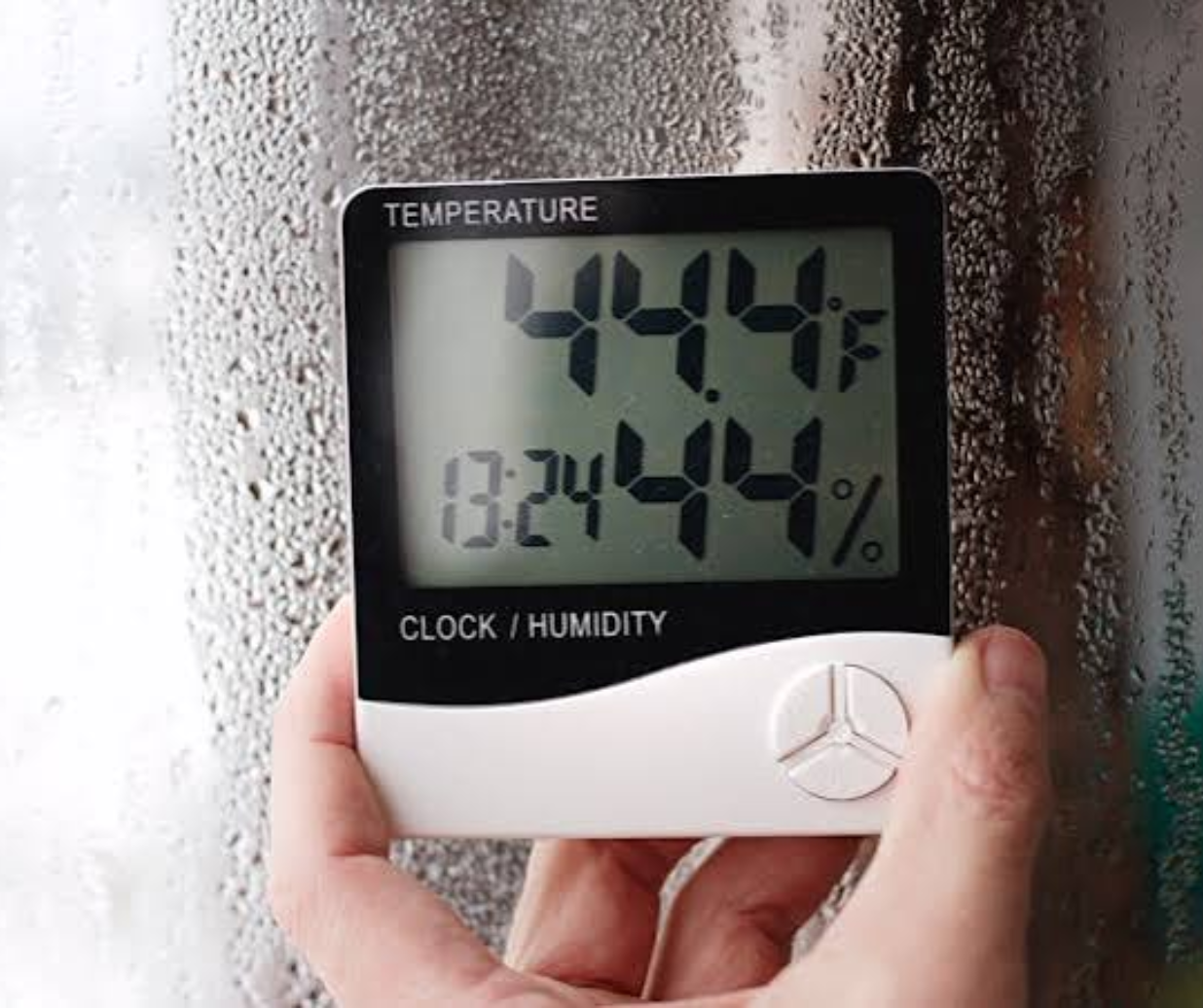
The ideal indoor humidity range for solid hardwood is 35% to 55%. Middle Tennessee summers often run higher than that, and when you start running heat in fall, indoor humidity can drop quickly.
A simple hygrometer from any hardware store lets you monitor your levels so you can make adjustments before the wood starts to react.
Consider a whole-home humidifier.
If your Rockvale home consistently drops below 35% relative humidity in fall and winter, a whole-home humidifier integrated into your HVAC system is worth considering. It maintains consistent humidity throughout the house and is more effective than portable units room by room. This is especially relevant for homes with forced-air heating, which tends to dry out indoor air quickly as the heating season begins.
Clean and inspect your floors before the season changes.
Fall is a good time to do a thorough assessment of your hardwood floors before the stress of seasonal humidity change. Look for:
Areas where the finish looks worn, dull, or has lost its protective sheen
Any existing gaps between planks that are wider than expected
Surface scratches or worn areas in high-traffic zones
Any boards that feel loose, springy, or sound hollow underfoot
Addressing finish wear before fall is practical because a compromised finish leaves the wood more vulnerable to the moisture changes that come with the season.
Clean with the right products.
Before fall settles in, give your hardwood floors a thorough cleaning with a product designed specifically for hardwood. Avoid steam mops, excessive water, and general-purpose floor cleaners. These can damage the finish and, over time, allow moisture to reach the wood itself.
A lightly dampened microfiber mop with a hardwood-safe cleaner is the right approach. The goal is to clean the surface without introducing moisture into the wood.
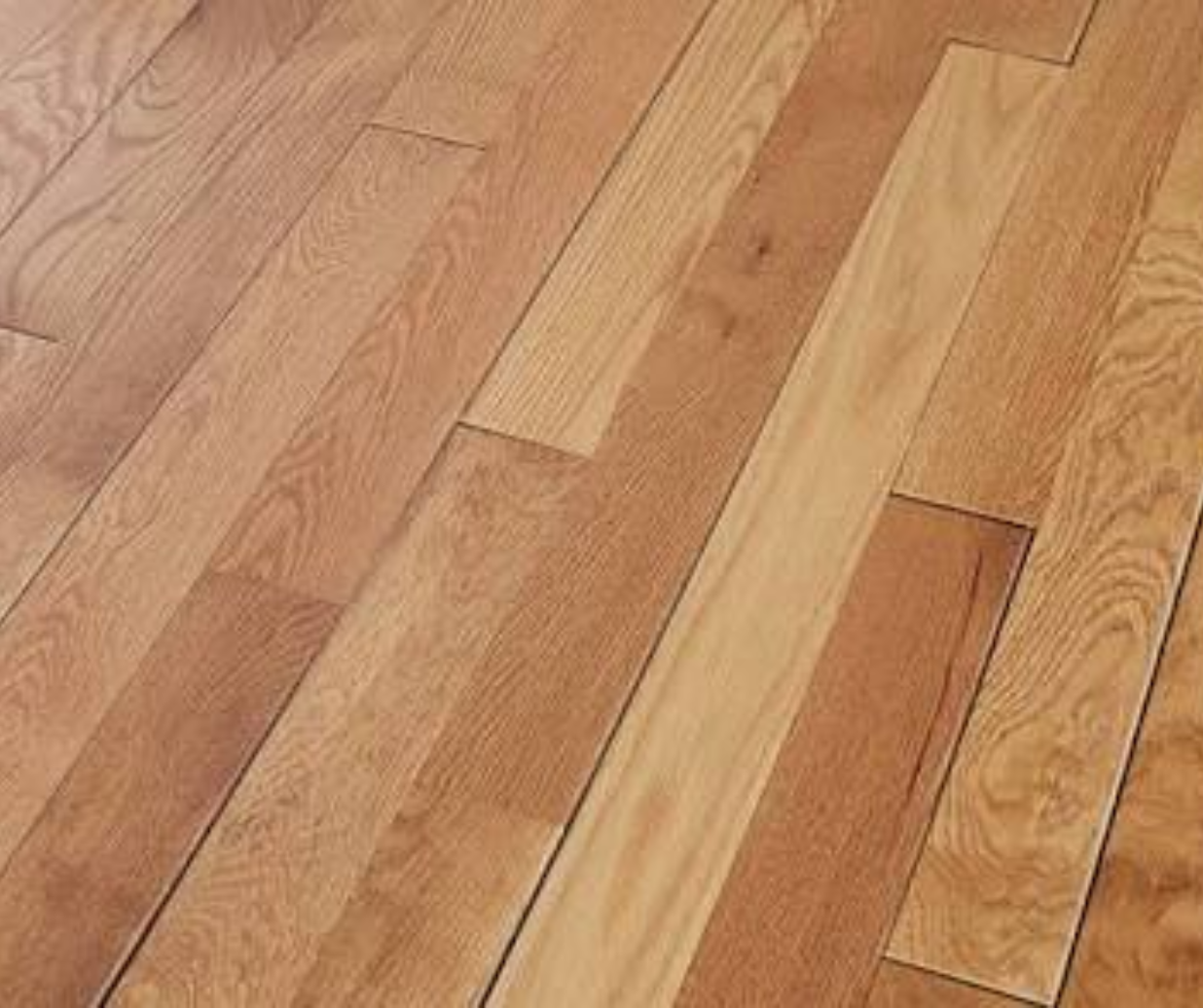
What Normal Fall Gapping Looks Like vs. What to Watch For
Small gaps between planks in fall are normal and typically close back up in spring. That is the floor responding naturally to seasonal humidity change.
Watch for these signs that something more significant is happening:
Gaps wide enough to catch a coin on edge
Gaps in multiple areas rather than one spot
Boards that feel uneven or lifted at the edges
Finish cracking or checking that was not there before
Gaps that do not close back up in spring
If you are seeing any of these, have the floor assessed before the problem progresses.
A Note on Engineered Hardwood
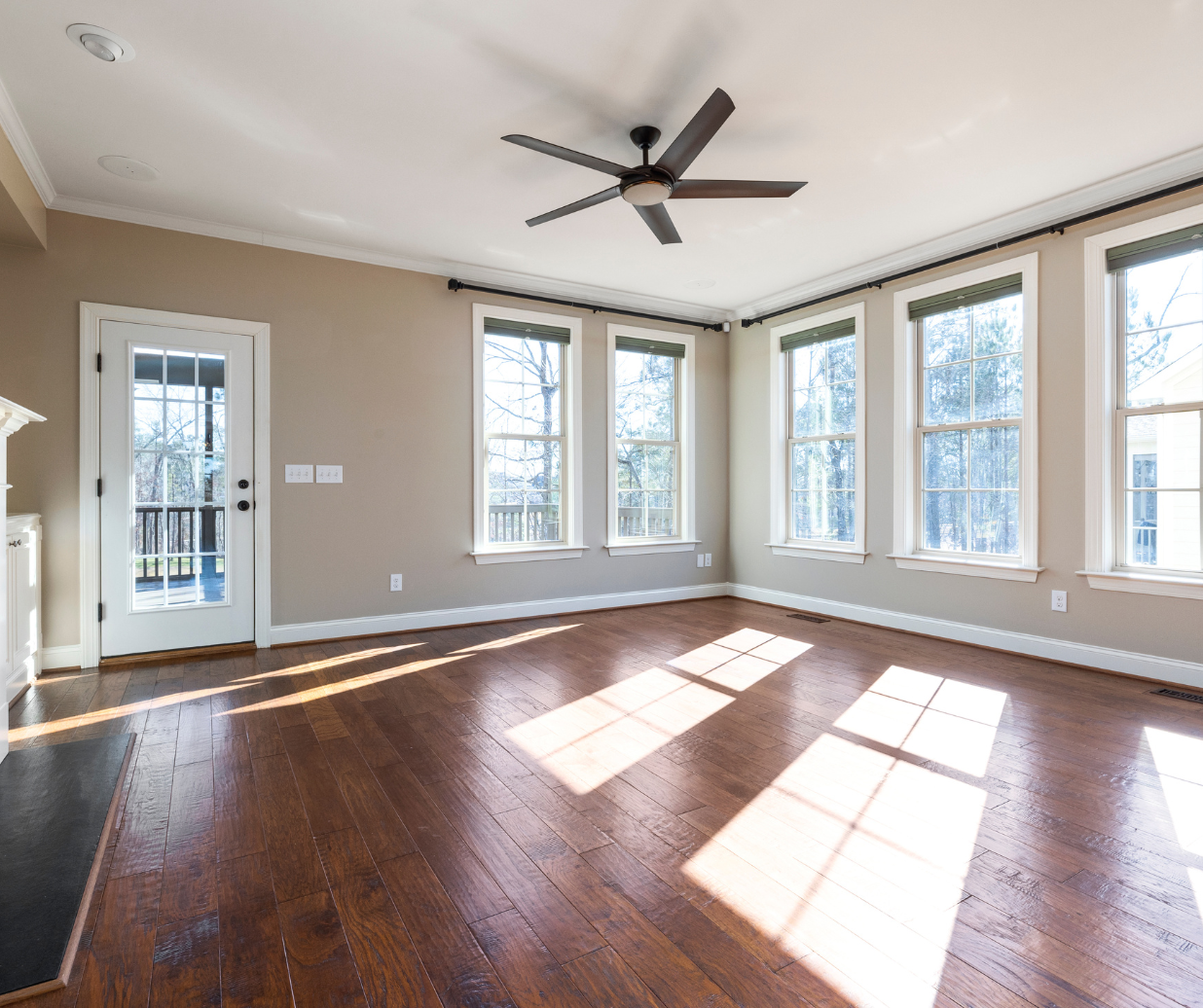
If your home has engineered hardwood rather than solid hardwood, seasonal humidity changes have less impact on your floors. Engineered hardwood's plywood core is significantly more dimensionally stable than solid wood, meaning it expands and contracts much less as humidity shifts.
That said, engineered hardwood still benefits from reasonable indoor humidity maintenance and the same cleaning and inspection habits described above. Keeping indoor humidity between 35% and 55% is good practice for any wood-based flooring product.
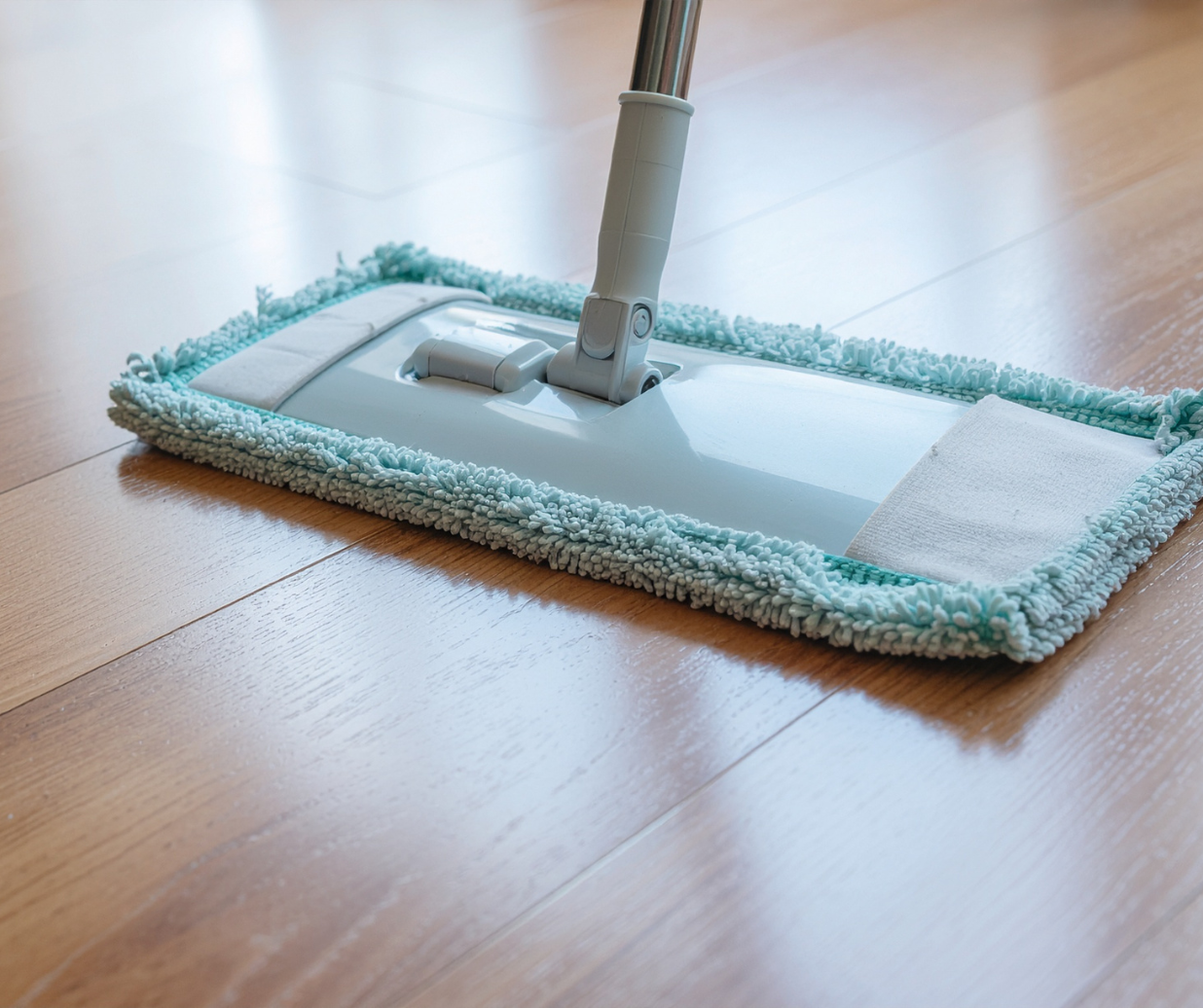
Day-to-Day Fall Maintenance Habits
A few simple habits go a long way:
Place mats at exterior doors to catch moisture and debris before it reaches the wood.
Wipe up moisture promptly, including tracked-in rain and boot condensation.
Keep HVAC filters clean so your heating system does not dry out the air more than necessary.
Avoid large rugs that trap moisture against the floor in transitional weather.
Use felt pads under furniture legs to prevent scratches.
Frequently Asked Questions
Is gapping between hardwood planks in fall a problem?
Small, seasonal gaps that close back up in spring are normal for solid hardwood floors and are not a sign of a problem. They are a natural response to lower indoor humidity in fall and winter. Wider gaps, gaps in multiple areas, or gaps that do not close back up in spring are worth having assessed.
What indoor humidity level is best for hardwood floors?
The generally recommended range for solid hardwood floors is 35% to 55% relative humidity year-round. Keeping indoor humidity within that range reduces the amount of seasonal movement the wood experiences and helps prevent gapping, checking, and other humidity-related issues.
Can I use a portable humidifier to protect my hardwood floors?
A portable humidifier can help in a specific room but is less effective at maintaining consistent humidity throughout a whole home. For homes with solid hardwood throughout multiple rooms, a whole-home humidifier integrated into the HVAC system is a more reliable long-term solution.
How often should hardwood floors be cleaned in fall?
Regular sweeping or dry mopping to remove debris is the most important daily habit, especially as leaves and outdoor dirt get tracked in more frequently in fall. A damp mop with a hardwood-safe cleaner as needed handles deeper cleaning. Avoid steam mops and excessive moisture at all times.
When should I refinish my hardwood floors?
If the finish looks dull, worn, or has lost its protective quality in high-traffic areas, refinishing before fall is worth considering. A compromised finish leaves the wood more vulnerable to seasonal humidity changes. Our team can assess whether refinishing is the right next step for your floors.
Does City Tile help with hardwood floor care and maintenance questions?
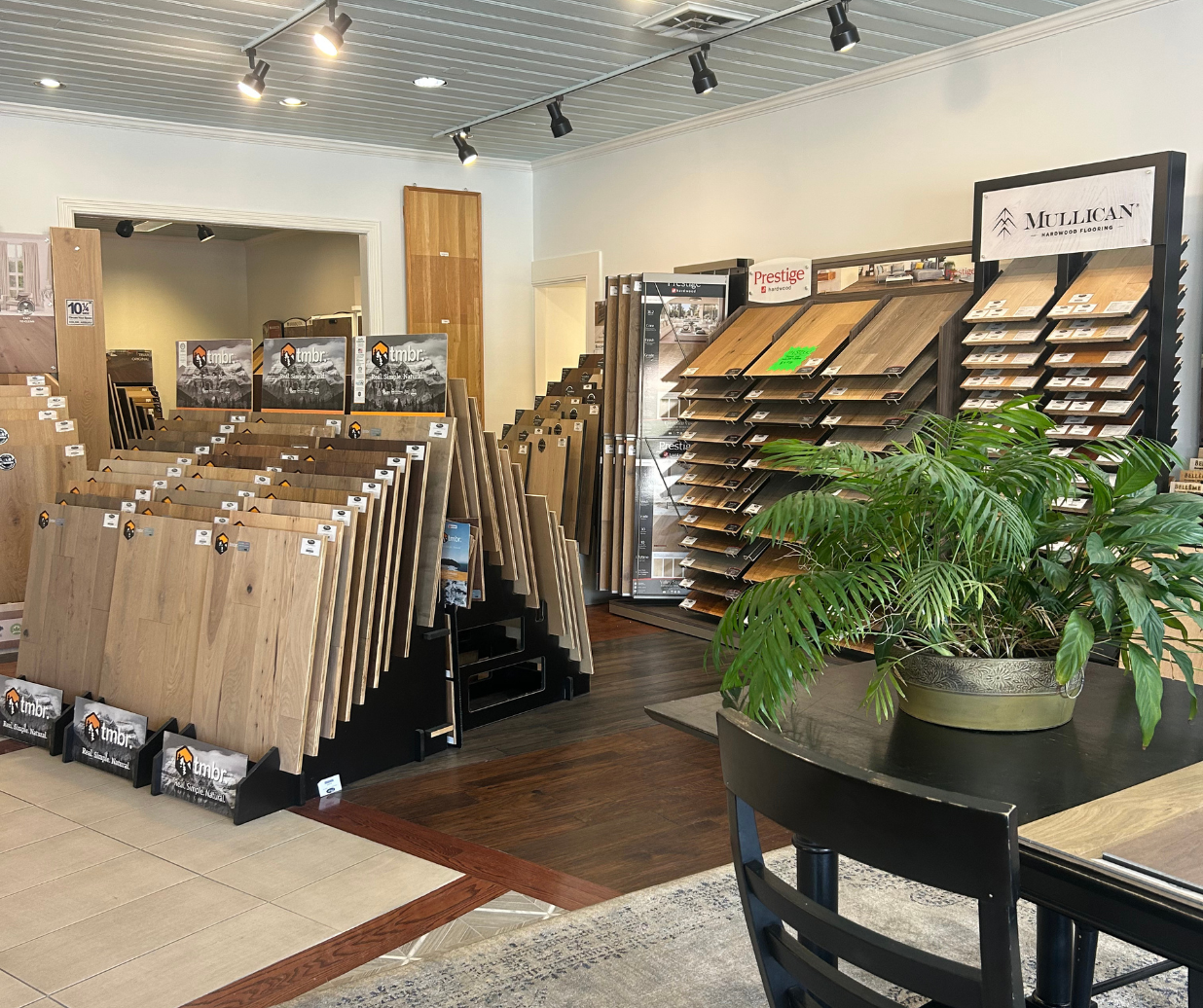
Yes. Our team works with hardwood floor owners across Rockvale, Murfreesboro, Christiana, and the surrounding area. Whether you have questions about seasonal care, finish condition, or when it might be time to look at new flooring, we are happy to help. Stop by our showroom or reach out to schedule a consultation.
Heading into Fall with Floors That Are Ready
A little attention before the season changes goes a long way toward protecting a solid hardwood floor through fall and winter. Monitoring indoor humidity, cleaning with the right products, and knowing what normal seasonal behavior looks like versus what to watch for are the most important steps you can take.
At City Tile and Floor Covering Company, we have been helping homeowners across Rockvale, Murfreesboro, Christiana, and the surrounding area care for and replace hardwood floors for nearly 80 years. If you have questions about your floors or want to explore your options, our team is here to help.
Stop by our showroom or reach out to schedule a consultation. We handle everything from maintenance questions through full flooring replacement.


