

At first glance, flooring materials and air quality would seem to have little connection: most home flooring choices revolve around aesthetics and durability, but you may not have considered the hidden science beneath your feet. Are you aware of the impact of flooring on a home’s environment? Many homeowners are not. Serving Middle Tennessee since 1957, City Tile and Floor Covering Company is staffed with experienced flooring professionals who understand the science behind flooring materials. We carry a wide range of flooring solutions that are not just beautiful and durable, but also contribute to a healthier, more sustainable home environment.
Flooring and Home Temperature Regulation
Choosing the right flooring can significantly affect how warm or cool your home feels, even with the thermostat set. This is because different materials handle heat differently, through heat retention (how well they insulate) and thermal conduction (how quickly they transfer heat).
How Flooring Impacts Your Home's Temperature
-
Heat Retention (Insulation): Think of this as the floor's ability to keep heat in. Materials that hold onto heat well, like a cozy blanket, act as insulators. Their R-value tells you how good they are at resisting heat flow; a higher R-value means better insulation, keeping your home warmer in winter and cooler in summer.
- Thermal Conduction: This is how fast heat moves through the floor. Materials with high conduction quickly transfer heat (think cold tile on a bare foot), while low-conduction materials slow it down. Related to this is thermal mass, which is a material's ability to absorb and store a lot of heat, slowly releasing it later.
Common Flooring Types and Their Thermal Effects
-
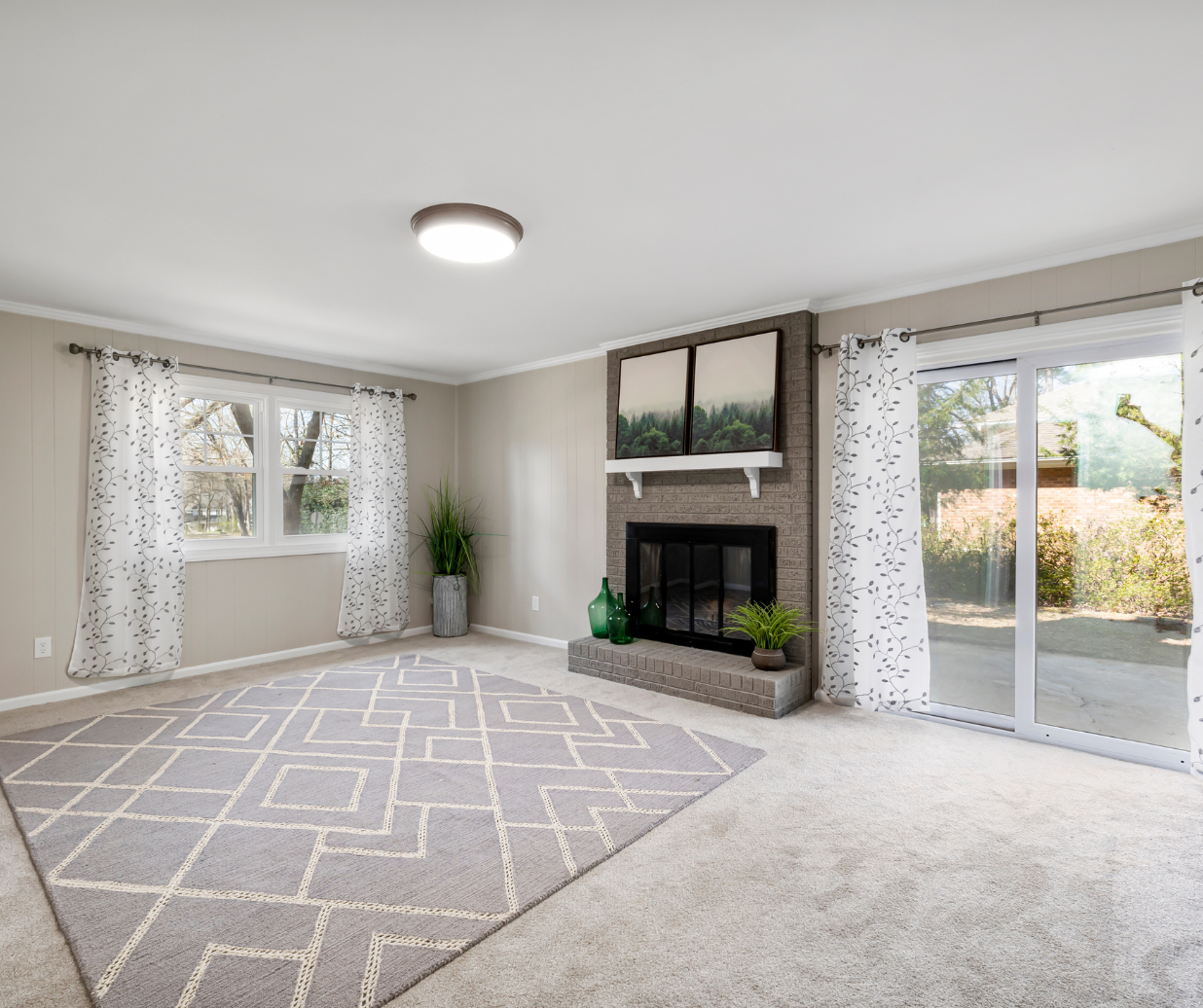
Carpet:
- Warmest Feel: Carpet excels at trapping air, making it an excellent insulator that holds heat well. It feels warm underfoot and helps reduce heating costs in cold climates.
- Doesn't Store Heat: It won't help much with passive cooling in warm weather as it doesn't absorb and store much heat.
-
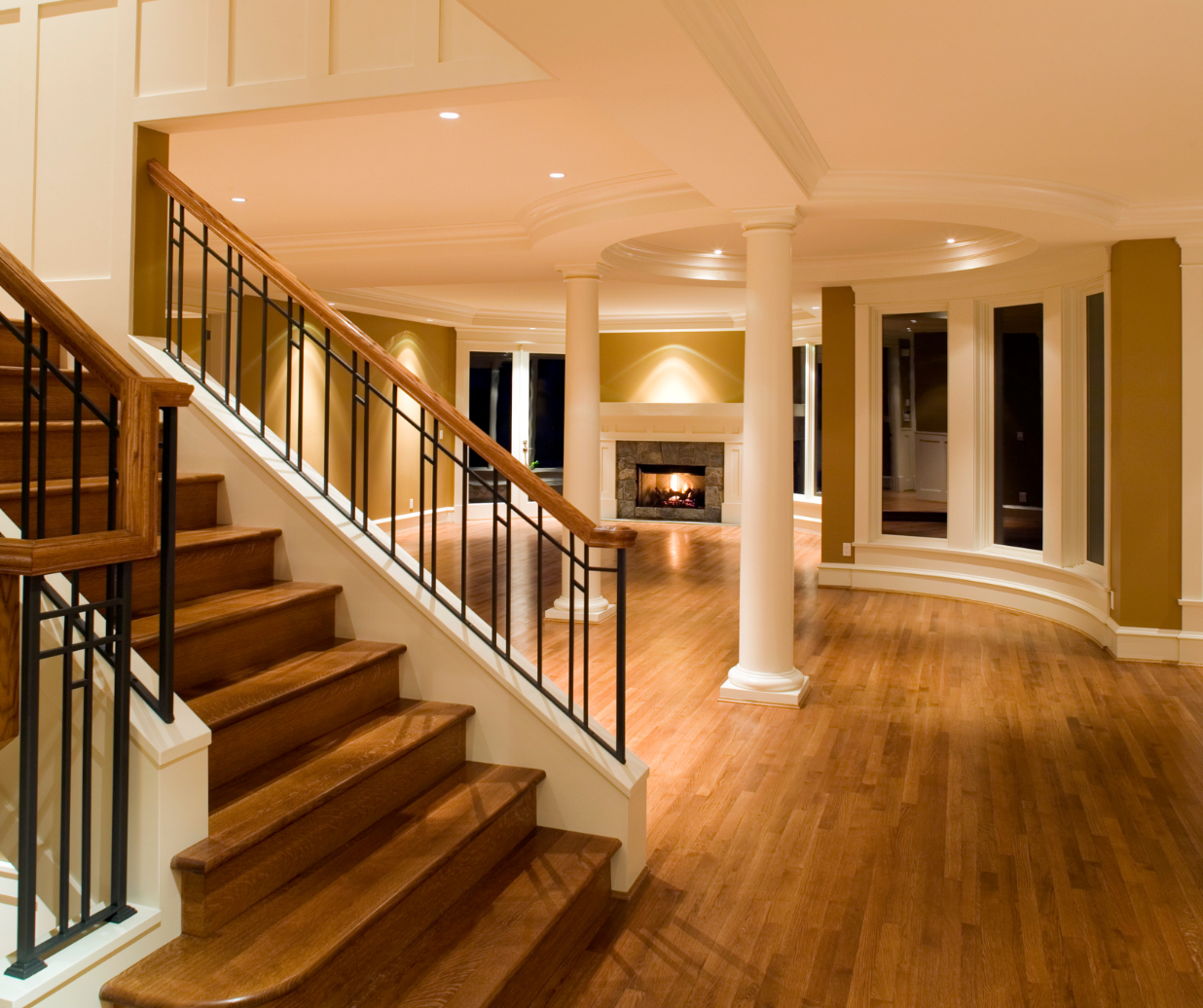
Hardwood:
- Moderately Warm: Wood naturally insulates due to its cellular structure. It feels warmer than tile but not as warm as carpet.
- Slight Heat Absorption: It can absorb some heat, helping to even out room temperatures.
-
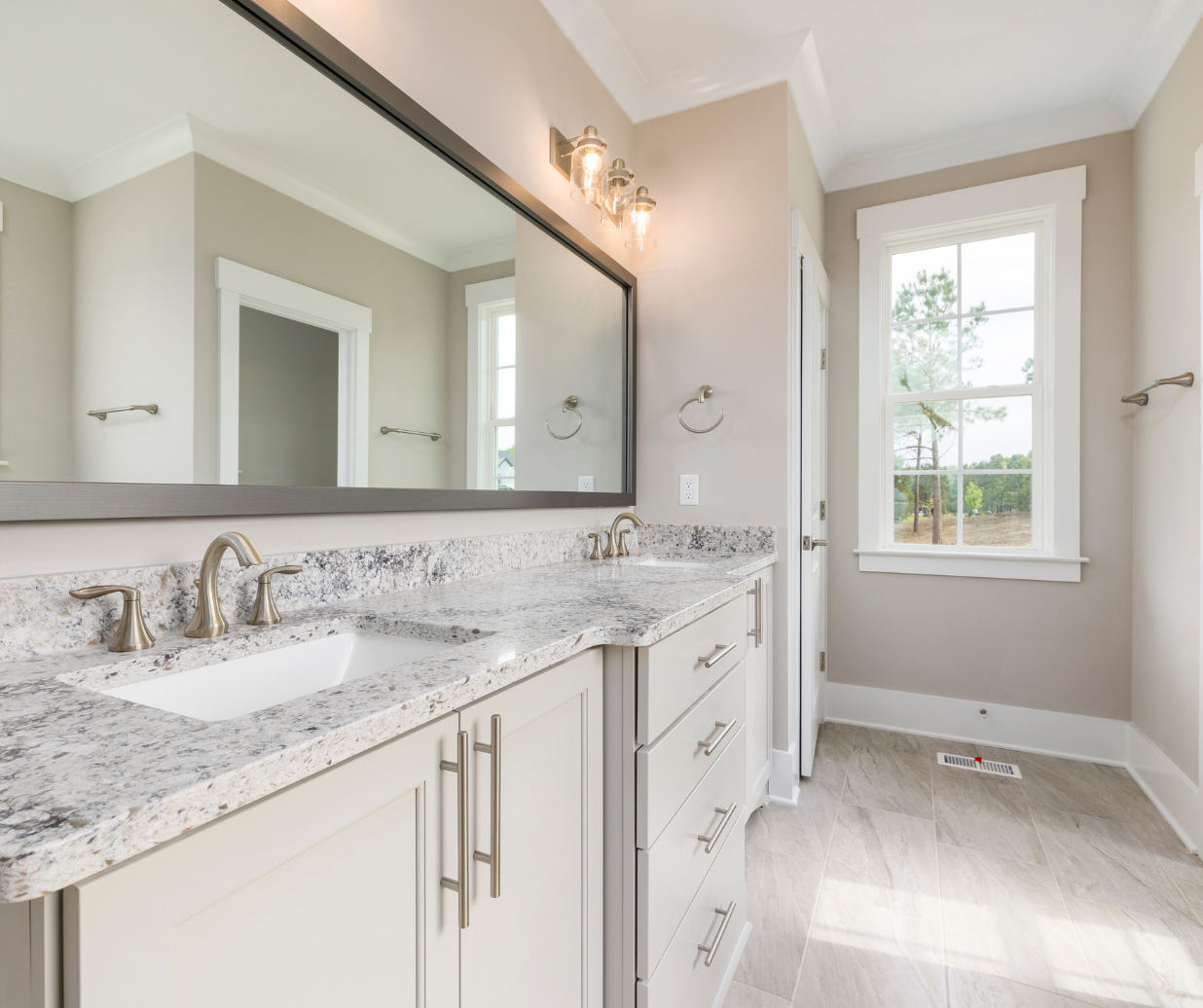
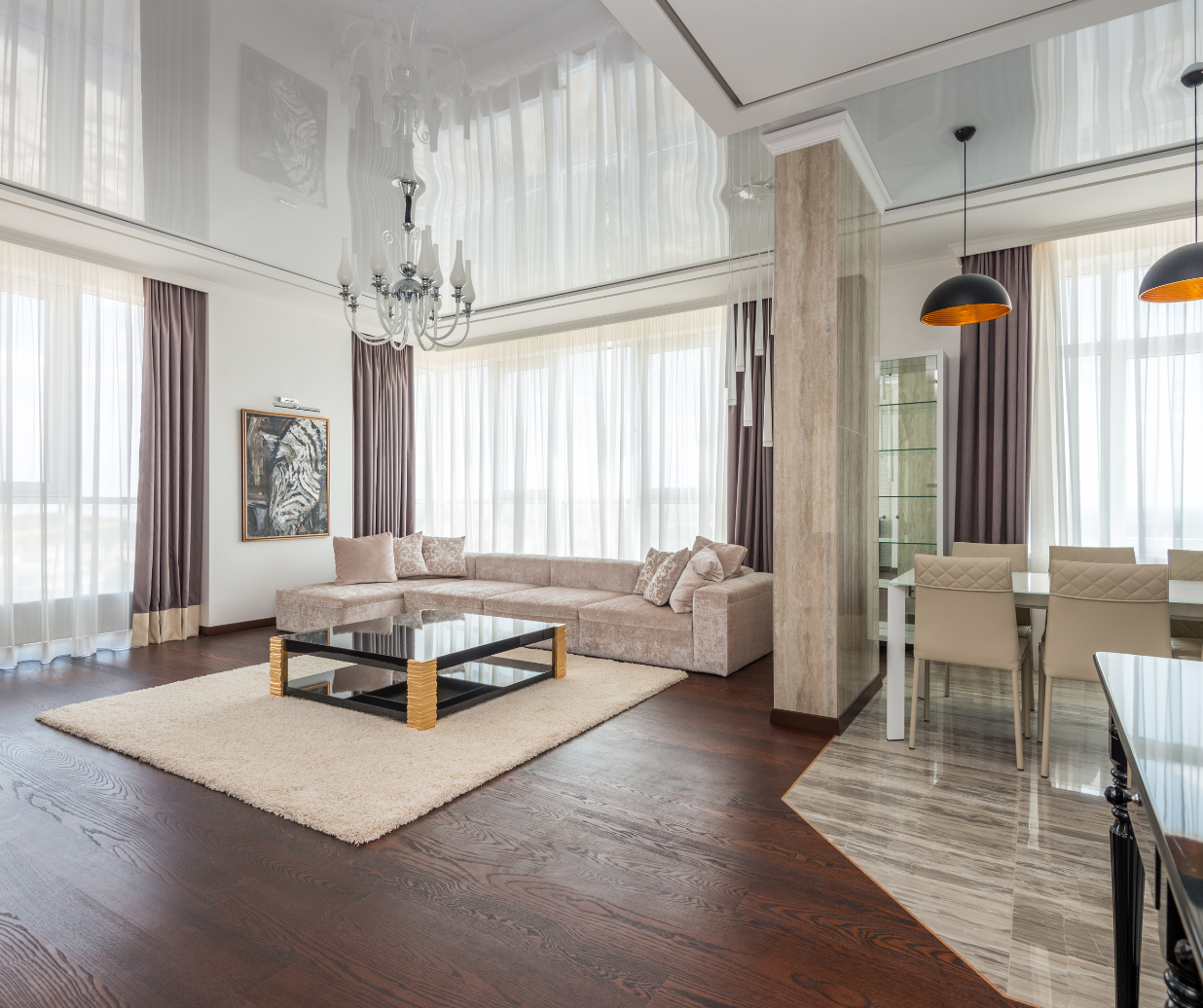
Tile and Natural Stone:
- Coolest Feel: These materials quickly transfer heat, making them feel cold. They are poor insulators.
- Great for Cooling/Radiant Heat: They absorb and store a lot of heat (high thermal mass), which is perfect for passive cooling in warm climates. They're also an ideal material to use with radiant heating systems, as they conduct heat so well.
-
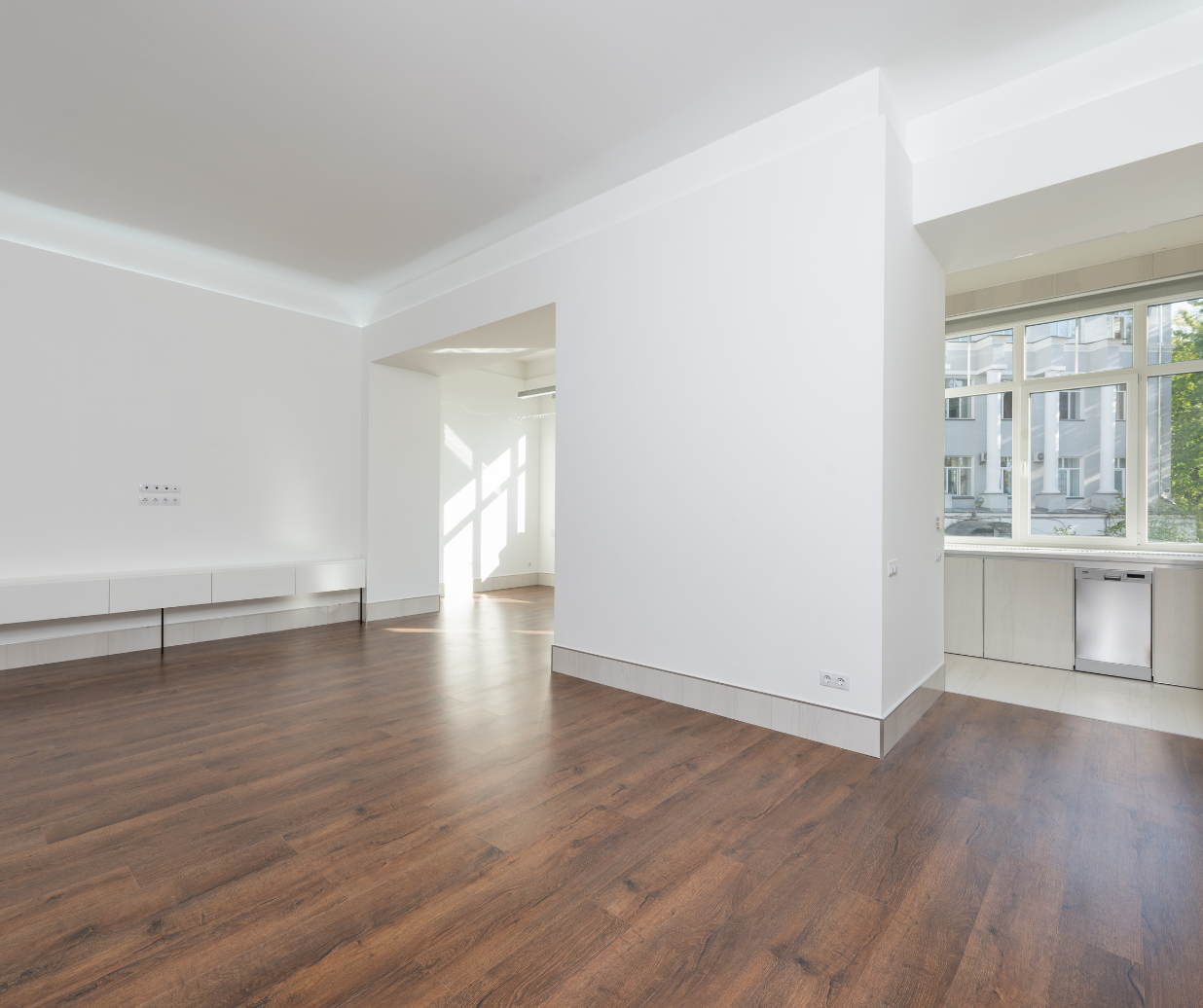
Vinyl (including LVT):
- Good Warmth: Modern vinyl, especially multi-layered LVT, retains heat well, making it warmer underfoot than laminate or traditional tile.
- Works with Radiant Heating: Many vinyl products are compatible with underfloor heating.
-
Laminate:
- Neutral Feel: Laminate offers a balance, feeling more neutral than cold tile. Its warmth depends on its quality and any insulating underlay.
- Works with Radiant Heating: Like vinyl, it's efficient with underfloor heating.
When choosing flooring, add comfort to the list of factors to consider, along with aesthetics, durability, and cost. Since flooring and home temperature are quite intertwined, your choice of flooring can have a significant impact on the comfort of your floors and your home.
The Impact of Flooring on Indoor Air Quality
Flooring materials and air quality are also closely related. Your choice of flooring significantly impacts your home's indoor air quality (IAQ), affecting allergens and how easy it is to keep clean. So, what is the best flooring for air quality?
Allergens: Trappers vs. Repellers
Those with severe allergies will want to consider so-called hypoallergenic flooring solutions, which can help reduce the number of allergens in your home’s air.
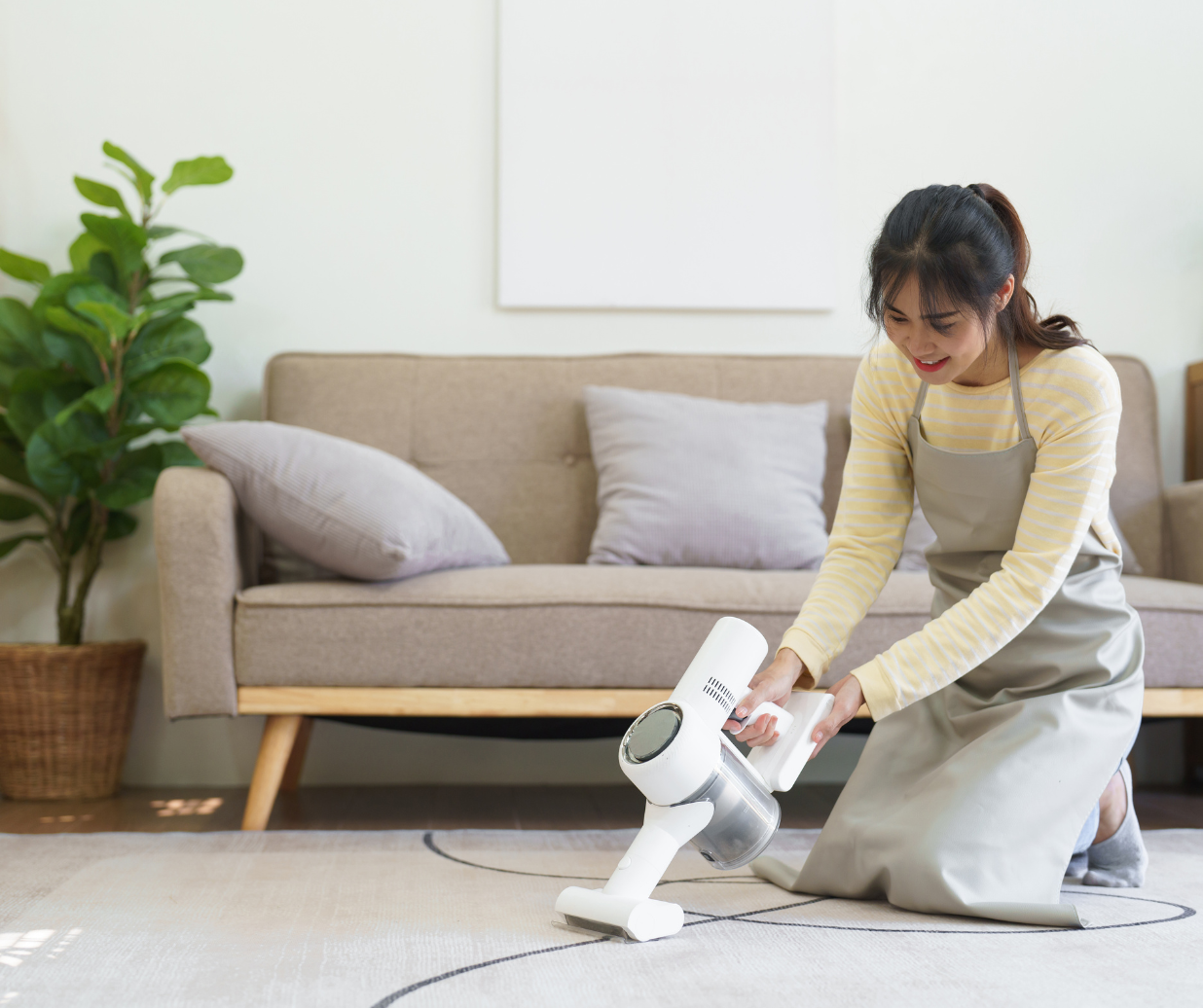
- Carpet: While they feel wonderful under foot, especially in the winter, the negative impact of carpets on air quality can’t be denied. Carpeting can trap dust mites, pet dander, pollen, and mold, making it tough for allergy sufferers. While some newer carpets are designed to resist allergens, regular vacuuming with a HEPA filter is key.
- Hard Surfaces (Hardwood, Tile, Vinyl): These smooth floors don't trap allergens, so dust, dander, and pollen sit on top, making them much easier to clean by sweeping or mopping. Tile and vinyl are also great in damp areas, helping prevent mold.
Maintenance & Air Quality
- Easy Cleaning for Better Air: Smooth, hard floors are simple to clean, and easily remove allergens
- Carpet Cleaning: While vacuuming helps, carpets often need deeper cleaning to remove embedded allergens. If carpets stay wet after cleaning, they can encourage mold growth.
- Moisture is Key: No matter the flooring, excessive moisture can lead to mold and mildew. Choose moisture-resistant options for wet areas and clean spills quickly.
By choosing moisture-resistant flooring and cleaning regularly, you can greatly improve your home's indoor air quality for a healthier living space.
Selecting Flooring for Energy-Efficient Homes
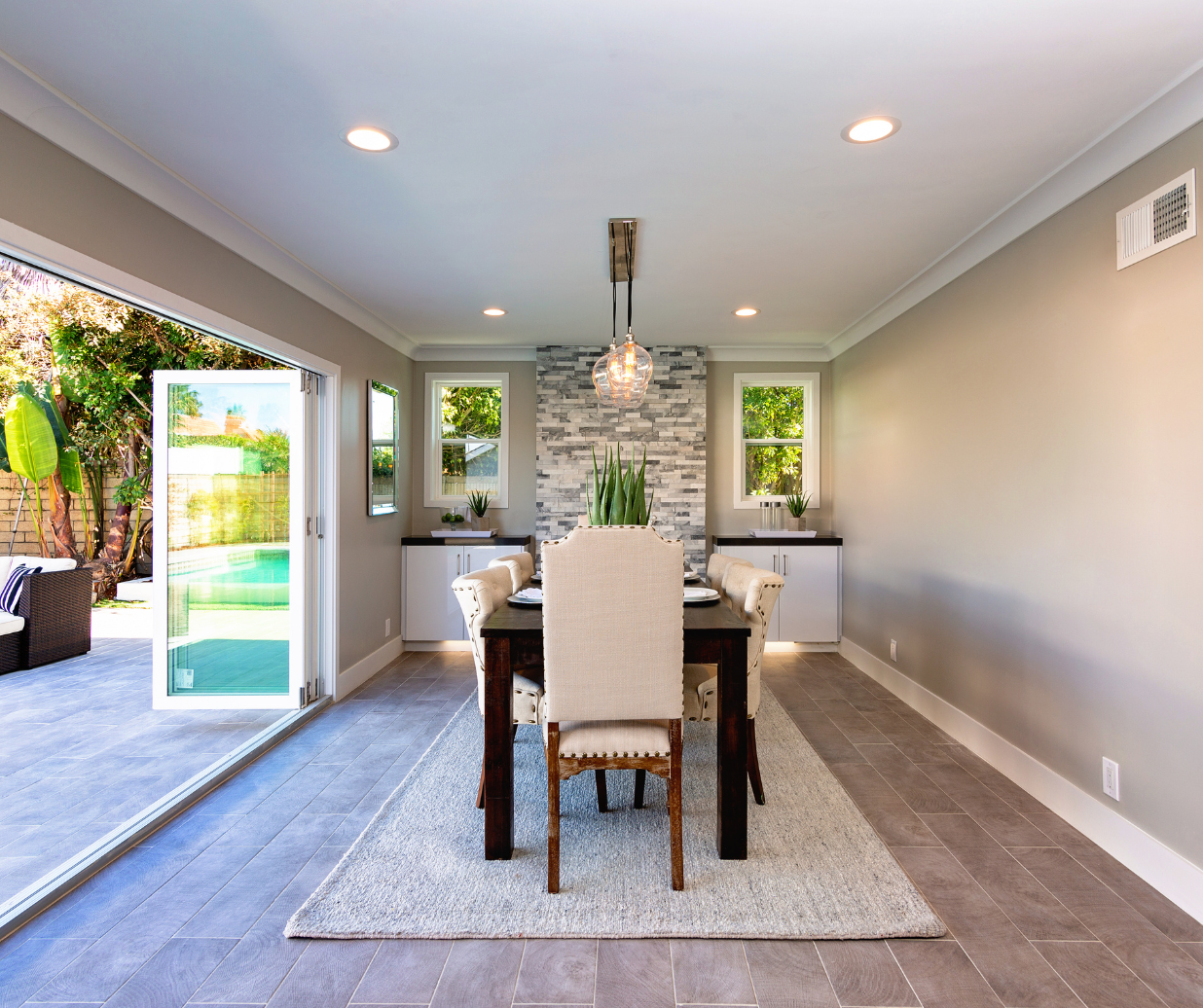
As mentioned previously, certain materials, like carpet, luxury vinyl, and many hardwoods, offer insulating properties. This means they help regulate your home's temperature, keeping it warm during the winter and cooler in summer, thus reducing the strain on your heating and cooling systems. This means a more comfortable home and lower utility bills.
Beyond energy savings, sustainable flooring options prioritize responsible sourcing. Eco-friendly flooring materials like bamboo are rapidly renewable, and certified hardwoods come from responsibly managed forests. Choosing products with recycled content, like some modern vinyls or carpets, further reduces waste and demand for virgin resources.
The longevity of durable, well-chosen flooring also plays a role in sustainability and cost savings; a floor that lasts decades means less frequent replacement, reducing waste and the environmental impact of manufacturing new materials. Ultimately, investing in eco-friendly and energy-efficient flooring promotes a healthier home and a healthier planet.

FAQs about the Impact of Flooring on Home Environment
Can the flooring I choose really impact the air quality in my home?
Yes, absolutely! Your flooring choice significantly impacts indoor air quality by either trapping allergens like dust and pet dander; conversely, some options can promote a healthier environment.
Which types of flooring materials help with energy efficiency?
For better energy efficiency, look for flooring materials that offer good insulation. Carpet and LVT are excellent choices for trapping heat, keeping your home warmer in colder months. Hardwood also offers moderate insulation, helping to stabilize temperatures.
What kind of flooring is recommended for homeowners with allergies?
For homeowners with allergies, hard, smooth surfaces like hardwood, tile, luxury vinyl (LVT), and laminate are generally recommended. Some people consider these to be hypoallergenic flooring solutions because they don't trap allergens like dust mites, pet dander, and pollen so they are easier to clean.

Upgrade Your Home with City Tile's Expert Flooring Solutions
Discover City Tile's diverse range of flooring solutions, expertly designed to provide superior temperature regulation and promote cleaner air within your home. Browse our flooring services then schedule a free design consultation with one of our specialists to select the best eco-friendly and hypoallergenic flooring options for your space.


