

Spring and summer in Middle Tennessee mean mud at the back door, wet shoes by the entryway, and sunrooms soaking up afternoon heat and humidity. For Murfreesboro homeowners, the spaces that connect the indoors to the outdoors take a beating, and the flooring in those spaces needs to be up to the task.
At City Tile and Floor Covering Company, we work with homeowners across Murfreesboro every season to find flooring solutions for some of the hardest-working rooms in the house. In this post, we break down what to look for in flooring for outdoor-adjacent spaces and compare two of our most popular options: porcelain tile and natural stone.
What Counts as an Outdoor-Adjacent Space?
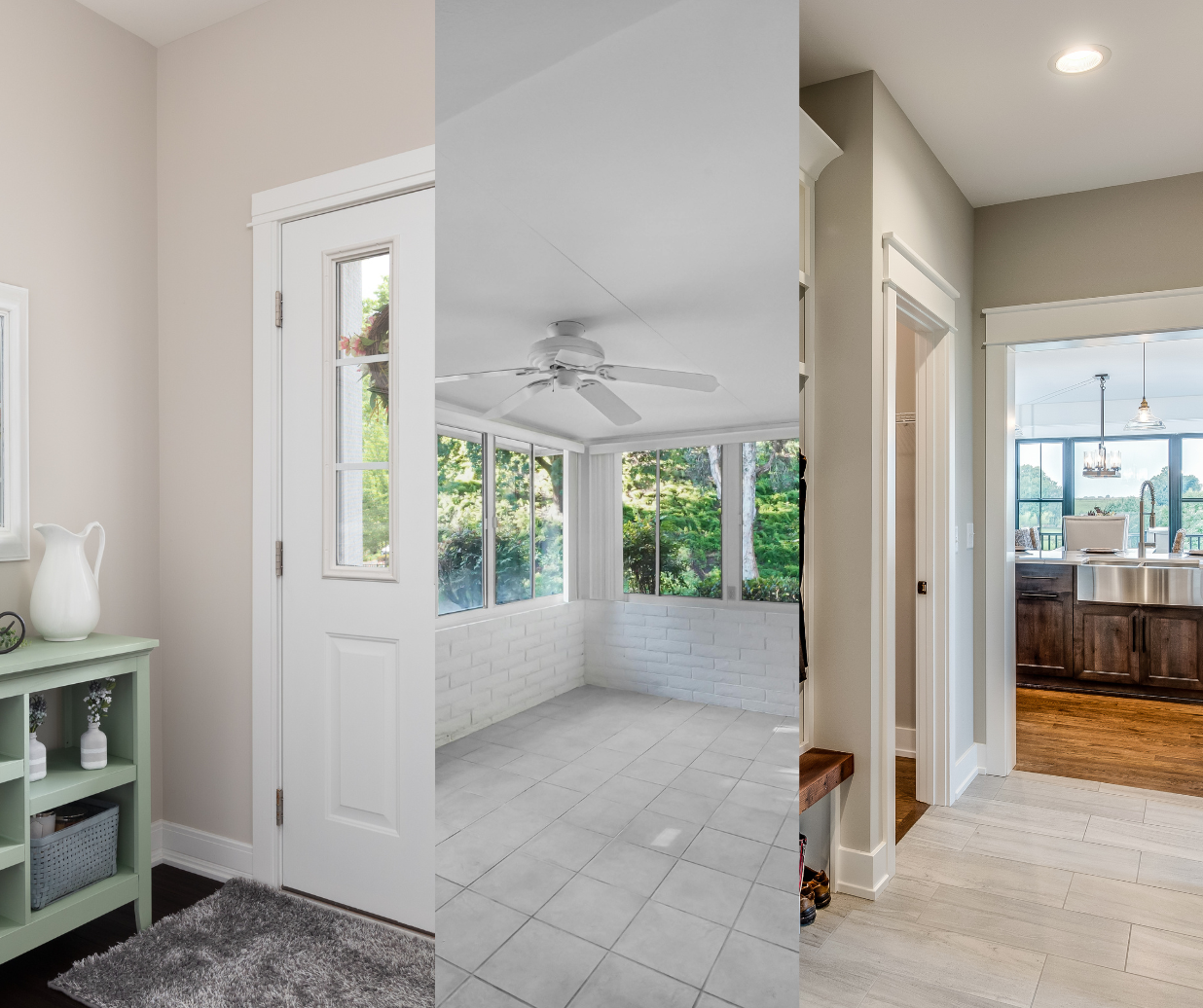
Outdoor-adjacent spaces are any rooms in your home that have direct or frequent exposure to the elements: whether through foot traffic from outside, natural light and heat, or elevated moisture levels. In most Murfreesboro homes, the most common outdoor-adjacent spaces include:
Mudrooms: the first line of defense against dirt, water, and debris tracked in from outside
Entryways and foyers: high-traffic zones that take the brunt of daily comings and goings
Sunrooms: bright, open spaces that experience significant temperature swings and UV exposure
Each of these spaces presents unique flooring challenges, and not every material is built to handle them equally well.
Why Flooring Choice Matters More in These Spaces
Middle Tennessee's climate adds an extra layer of complexity to flooring decisions. Murfreesboro summers bring high humidity and heat, while winters can be cold and damp. That combination of moisture, temperature swings, and heavy foot traffic makes outdoor-adjacent spaces some of the most demanding environments for flooring in any home.
The wrong flooring in a mudroom or entryway can warp, stain, or deteriorate quickly. The right flooring, on the other hand, can hold up for decades with minimal maintenance, and still look great doing it.
The two materials we most often recommend for these spaces are porcelain tile and natural stone. Both offer excellent durability and moisture resistance, but they have meaningful differences worth understanding before you choose.
Porcelain Tile: Durable, Low-Maintenance, and Versatile
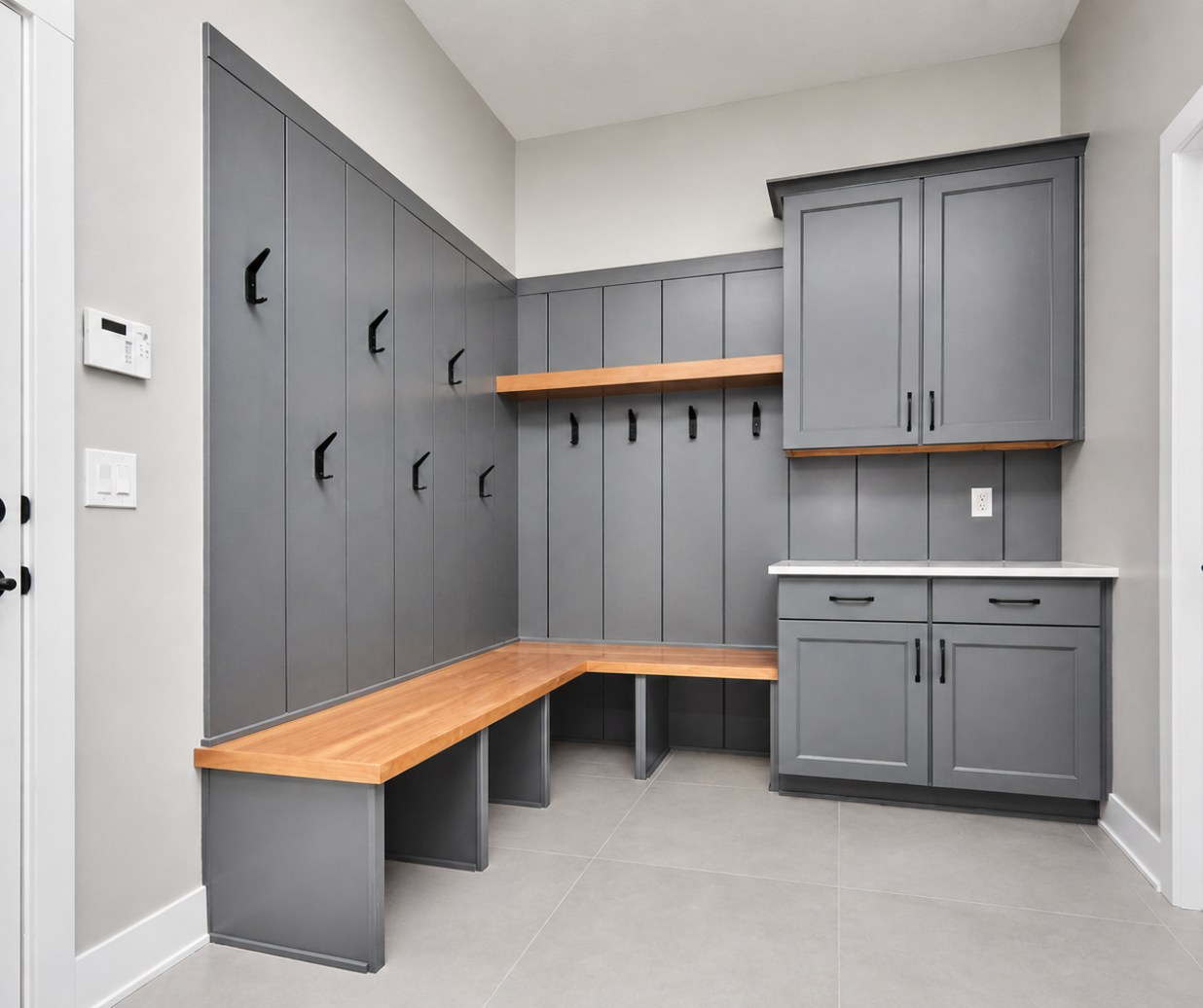
Porcelain tile is one of the hardest-working flooring materials available, and it performs exceptionally well in mudrooms, entryways, and sunrooms. It is fired at very high temperatures, which makes it dense, hard, and nearly impervious to water: an important quality in spaces where wet shoes and muddy boots are a daily reality.
Modern porcelain tile has also come a long way in terms of design. Today's options include realistic wood-look and stone-look patterns that give homeowners the aesthetic they want with the performance they need. Large-format tiles are a particularly popular choice in sunrooms and entryways right now, as they create a clean, open look with fewer grout lines to maintain.
What we like about porcelain for outdoor-adjacent spaces:
Excellent moisture and stain resistance with no sealing required
Handles temperature fluctuations well, which is important for Tennessee sunrooms
Wide range of styles, sizes, and finishes to suit any design direction
Easy to clean and maintain over the long term
Generally more affordable than natural stone
One consideration with porcelain: grout lines. While grout has improved significantly in stain resistance, proper grout selection and sealing during installation still matter, especially in mudrooms where heavy soiling is common.
Natural Stone: Timeless Beauty with the Right Care
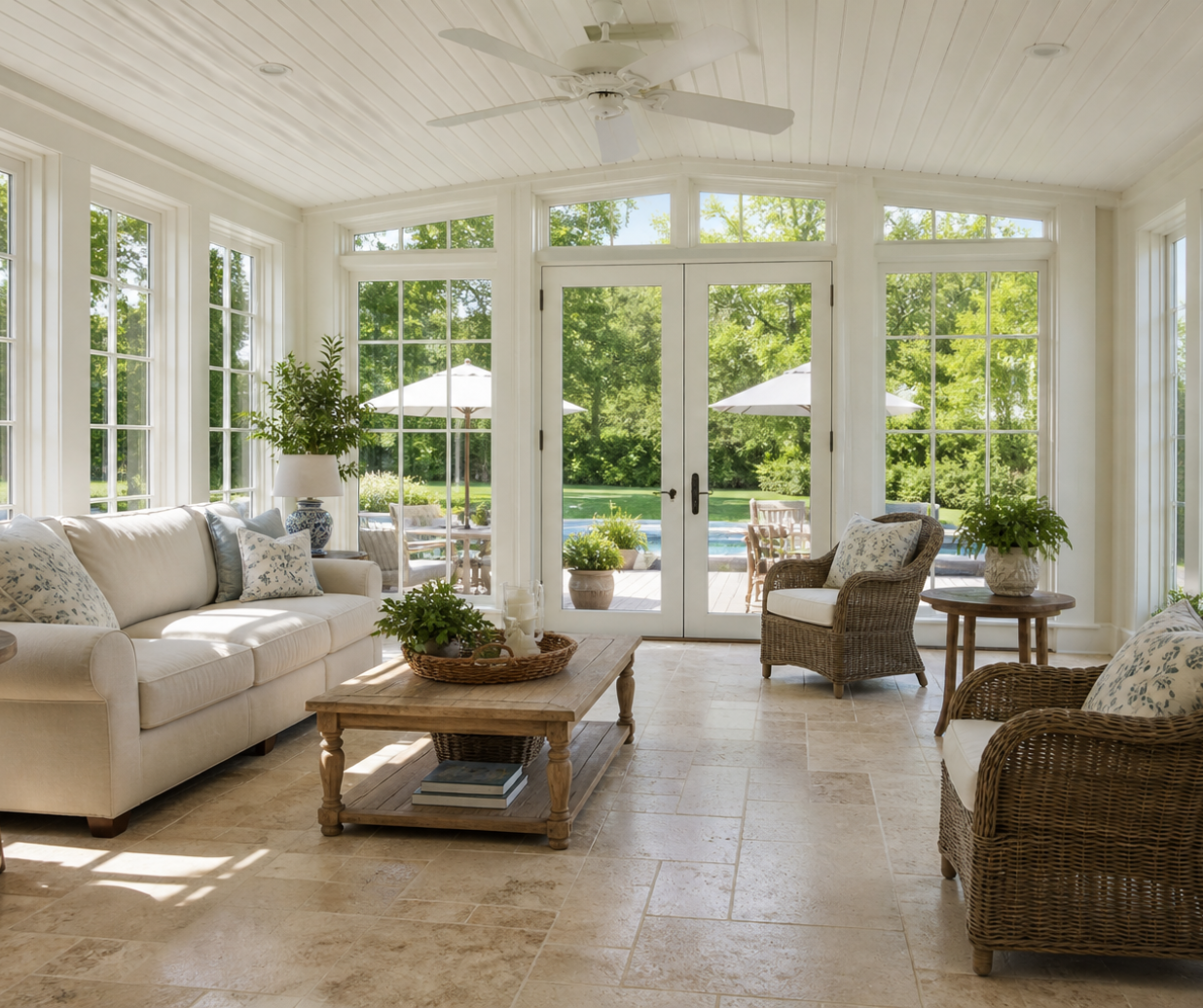
Natural stone, including travertine, slate, limestone, and marble, brings a level of character and visual depth that manufactured materials simply cannot replicate. Each piece is unique, and when installed well, natural stone creates a sense of warmth and craftsmanship that elevates the entire entryway or sunroom.
For Murfreesboro homeowners who want a more traditional, high-end aesthetic in their foyer or sunroom, natural stone is a compelling choice. Slate and travertine in particular are well-suited to outdoor-adjacent spaces because of their natural texture and slip resistance.
What we like about natural stone for outdoor-adjacent spaces:
One-of-a-kind appearance: no two installations look exactly alike
Naturally cool underfoot: a welcome quality in Tennessee summers
Adds lasting visual value and character to entryways and foyers
Slate and travertine offer good natural texture and traction
The honest tradeoff with natural stone is maintenance. Most stone types are porous and require periodic sealing to prevent moisture absorption and staining. If that upkeep is not performed consistently, the stone can become discolored or damaged over time. This is something we discuss openly with every homeowner who is considering stone: it is a beautiful material, but it rewards those who are willing to care for it properly.
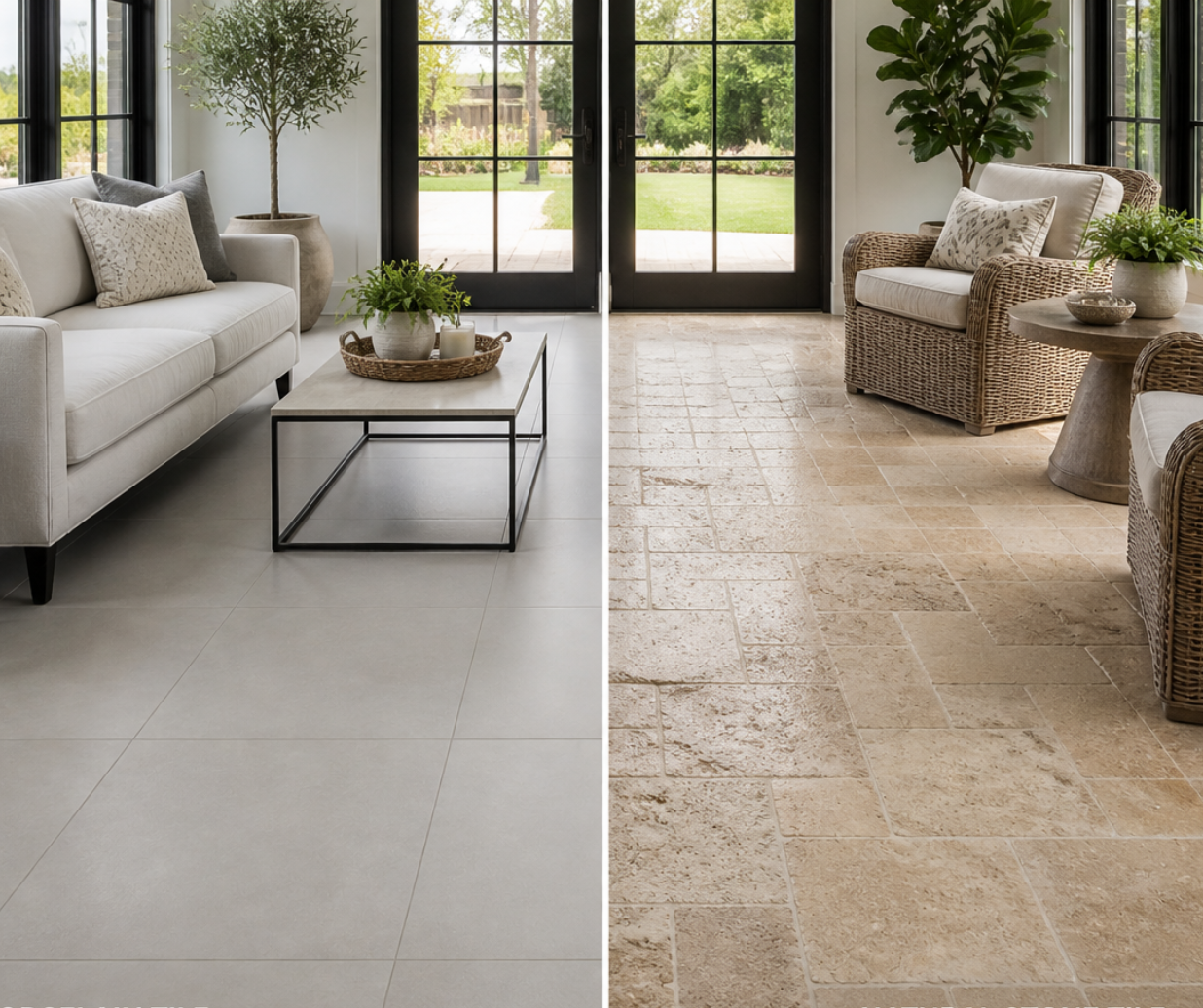
Porcelain vs. Natural Stone: A Side-by-Side Look
Here is how the two materials compare across the factors that matter most for outdoor-adjacent spaces:
Feature | Porcelain Tile | Natural Stone |
Water Resistance | Excellent: nearly impervious | Good: requires sealing |
Durability | Very high; resists chips & scratches | High; varies by stone type |
Maintenance | Low: easy to clean | Moderate: needs periodic sealing |
Cost (installed) | Mid-range | Mid to higher-end |
Visual Appeal | Consistent, modern looks | Unique, natural variation |
Best Spaces | Mudrooms, sunrooms, entryways | Entryways, sunrooms, formal foyers |
Both options are solid choices: the right one depends on your lifestyle, budget, and how much maintenance you are comfortable with. Our team is happy to walk you through both in person.
Common Installation Mistakes We See in These Spaces
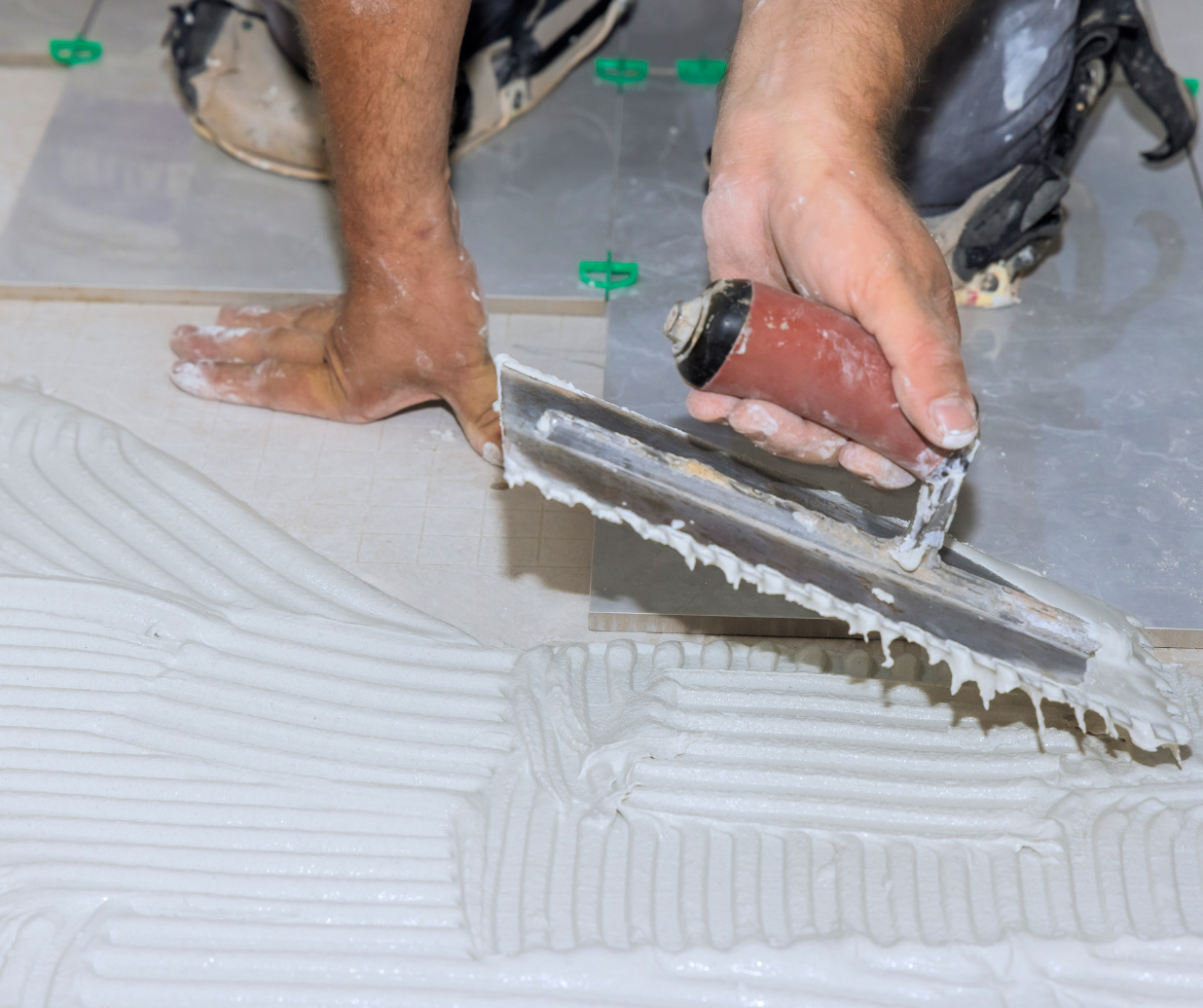
Over the years, our installation team has seen flooring in outdoor-adjacent spaces fail: not because of a bad product, but because of avoidable installation errors. A few of the most common ones:
Skipping or rushing the subfloor prep: uneven subfloors lead to cracked tile over time, especially in high-traffic areas.
Using the wrong grout: unsanded grout in wide joints, or skipping grout sealing entirely in mudrooms, leads to staining and deterioration.
Not sealing natural stone at installation: moisture gets in quickly if the stone is not sealed before the space is put back into use
Choosing a finish that is too slick: polished tile looks beautiful but can be hazardous in a mudroom or entryway where wet feet are common; a honed or textured finish is a safer call
Ignoring transition zones: the floor at the threshold between a sunroom and an adjacent room needs to be handled carefully to prevent lippage and tripping hazards
Working with an experienced installer makes a significant difference in how long your flooring performs and looks. These are the details that separate a flooring project that holds up for 20 years from one that starts showing problems in the first few.
Keeping Your Floors Looking Good Through Every Season
Middle Tennessee's seasons bring different challenges for outdoor-adjacent floors. A few habits that go a long way:
Place high-quality mats at every exterior door: this single step reduces the amount of moisture and debris that reaches your floor by a significant margin
Sweep or dry-mop entryways and mudrooms regularly, especially during rainy seasons
For natural stone, schedule a resealing every one to two years, depending on traffic
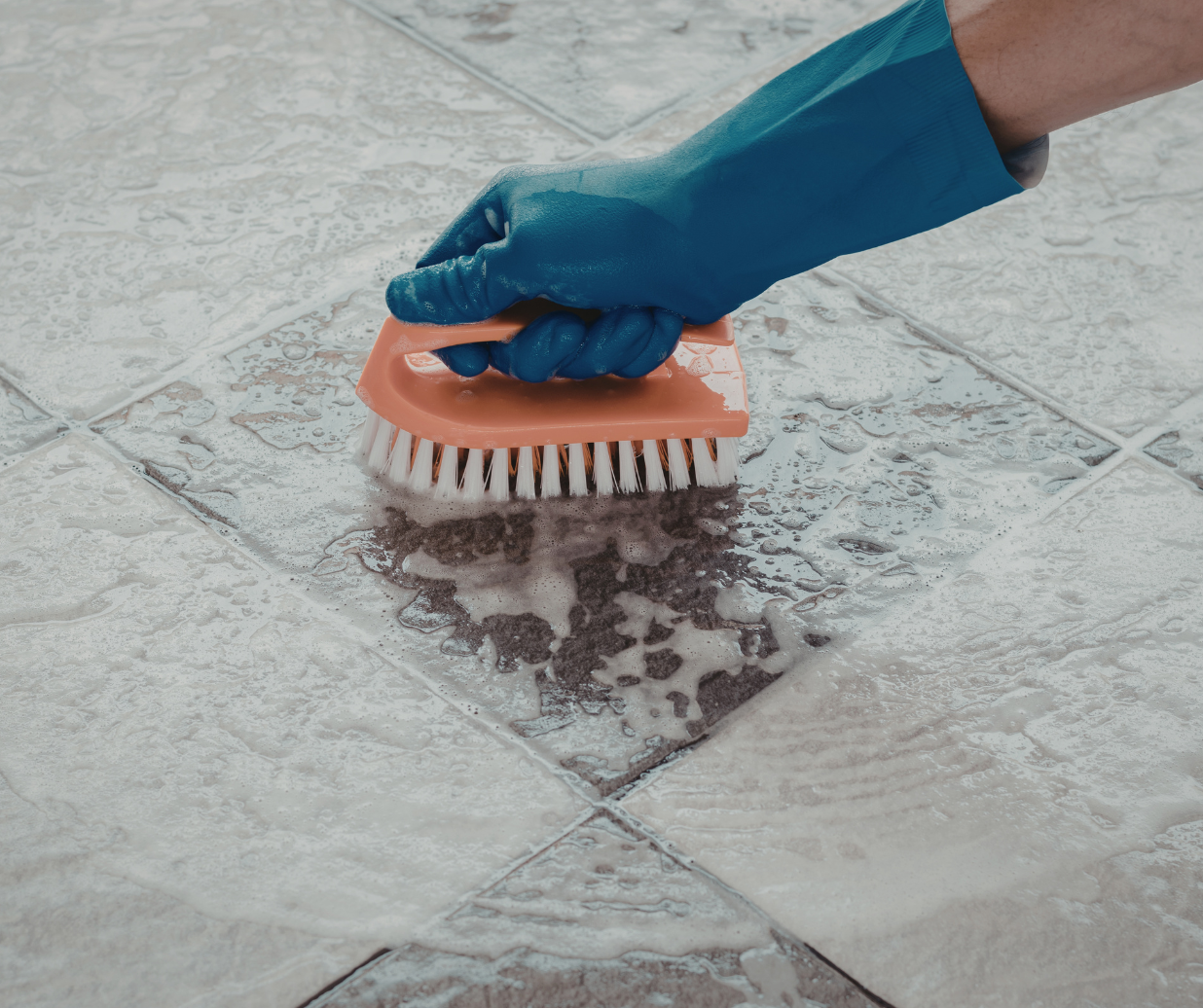
For porcelain, clean grout lines periodically with a pH-neutral cleaner to prevent buildup
In sunrooms, use rugs or runners in areas of heavy foot traffic to reduce wear on tile surfaces
Frequently Asked Questions
What is the best flooring for a mudroom in Murfreesboro?
Porcelain tile is our most common recommendation for mudrooms. It is highly water-resistant, easy to clean, and holds up well under the kind of daily abuse a mudroom takes. Natural stone can also work well, but it requires more consistent maintenance to keep moisture from penetrating the surface.
Is natural stone too high-maintenance for a busy household?
Not necessarily: it depends on the stone type and the household. Slate and travertine are more forgiving than marble or limestone in high-traffic areas. The key is proper sealing at installation and periodic resealing. If that is something you are comfortable with, natural stone is a rewarding long-term investment.
Can porcelain tile be used in a sunroom with radiant heat?
Yes. Porcelain tile is actually one of the best flooring options for radiant heat systems because it conducts and retains heat efficiently. It is important to make sure the tile and installation method are compatible with the radiant system, which our team can assess during the planning process.
How do I choose between a polished and matte finish for my entryway?
For entryways and mudrooms, we generally lean toward matte, honed, or textured finishes. They provide better traction when wet and tend to hide everyday dirt and scuffs better than polished surfaces. Polished finishes are better suited to lower-traffic areas like a formal foyer, where looks take priority over function.
Does City Tile handle both the material selection and installation?
Yes. Our team includes both in-house designers who can help you select the right material, style, and finish for your space, and professional installers who handle the full installation. Working with one team from start to finish helps ensure the product is installed correctly and performs as intended.
Ready to Update Your Mudroom, Entryway, or Sunroom?
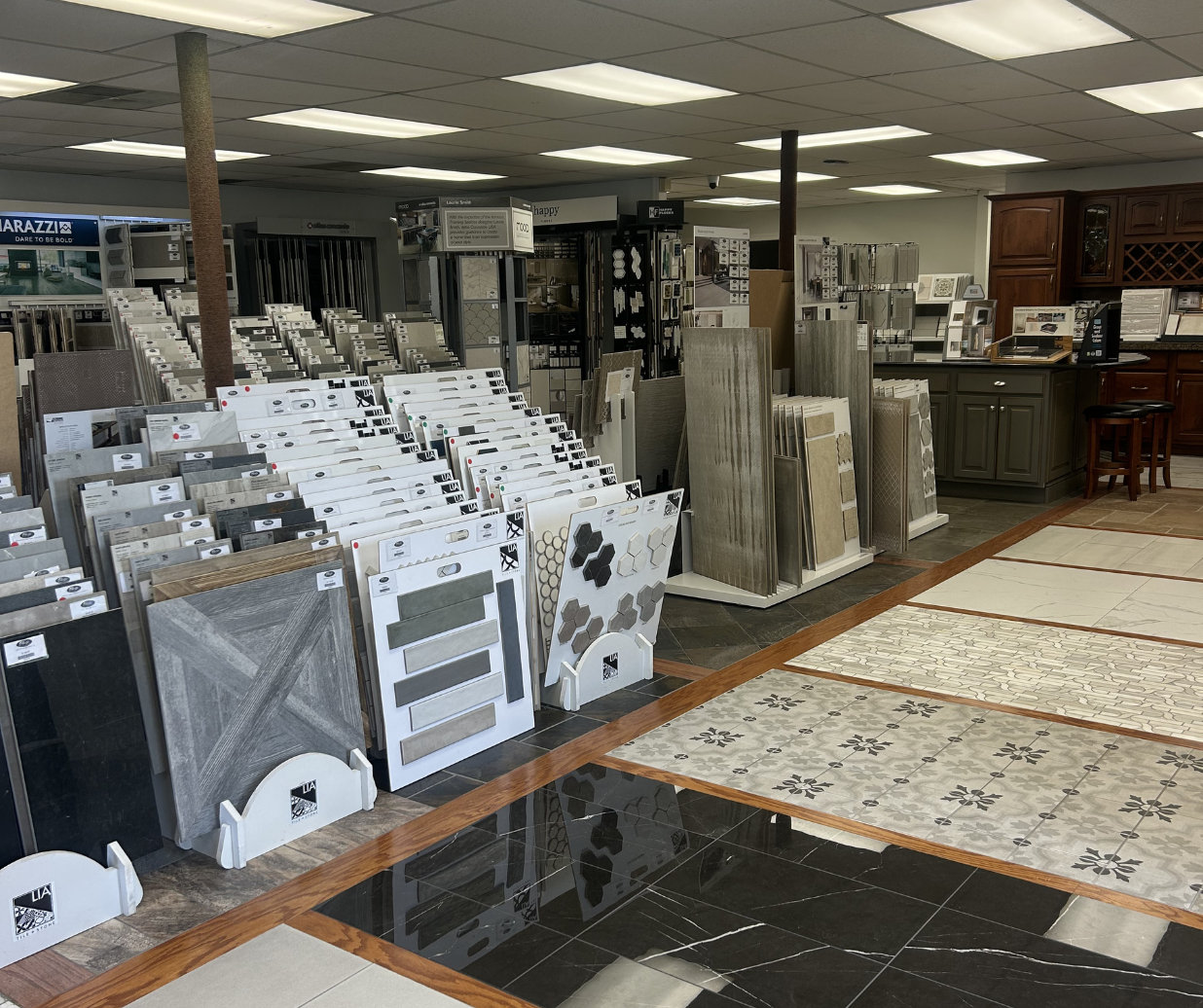
If you are planning a renovation in an outdoor-adjacent space in your Murfreesboro home, our team at City Tile and Floor Covering Company is here to help. We carry a wide selection of porcelain tile and natural stone options, and our in-house designers and installers can guide you from product selection through final installation.
Stop by our showroom to see samples in person, or reach out to schedule a consultation. We work with homeowners throughout Murfreesboro and Middle Tennessee, and we are happy to help you find flooring that fits your space, lifestyle, and budget.


